
How to Choose the Right Mattress for Better Sleep
Choosing the right mattress is one of the most important decisions for improving sleep quality and overall health. Since people spend nearly one-third of their lives sleeping, the mattress they use plays a crucial role in supporting the body and maintaining proper spinal alignment. However, many buyers choose a mattress based on price, brand name, or appearance rather than comfort and support. The wrong mattress can lead to back pain, pressure points, restless nights, and long-term health issues that affect daily performance and mood.
Understanding how to choose the right mattress requires considering several key factors, including firmness level, mattress type, sleeping position, and body weight. With hundreds of options available in the market today, the process can feel overwhelming. This complete mattress buying guide breaks down everything you need to know to make a confident, informed decision and find the mattress that genuinely supports your body and improves your sleep quality.
Why Choosing the Right Mattress Matters
A mattress is not just a place to sleep. It is a surface that directly influences how your spine, joints, and muscles recover overnight. When you lie down, your mattress either supports or strains your body's natural curves. A mattress that is too soft allows your hips to sink too deeply, creating a misaligned spine. A mattress that is too firm pushes against your body's natural curves, creating uncomfortable pressure points, especially at the shoulders and hips.
Proper spinal alignment during sleep means your spine maintains a neutral position from the neck down to the lower back. When alignment is correct, muscles can fully relax and recover. When alignment is poor, muscles remain tense through the night, leading to stiffness and pain in the morning. You can read more about this in our guide, Can a Mattress Cause Back Pain?
Pressure relief is equally important. Pressure points form when a mattress pushes against protruding parts of the body, such as shoulders, hips, and knees. Over time, this pressure restricts blood circulation, causes discomfort, and forces the body to shift positions repeatedly throughout the night. A mattress with good pressure relief contours to the body and distributes weight evenly.
The long-term health benefits of sleeping on the right mattress include improved posture, reduced back and joint pain, better quality sleep, reduced stress, and higher energy levels during the day. Investing in the right mattress is genuinely an investment in your health, not just your comfort. Better mattress support also directly improves deep sleep, learn more in our article on How to Get Deep Sleep Naturally.

Different Types of Mattresses Explained
Before learning how to choose the right mattress, it helps to understand the four main mattress types available today. Each type uses different materials and construction methods, offering a unique feel, level of support, and durability.
Memory Foam Mattress
Memory foam mattresses are made from viscoelastic foam that responds to body heat and pressure. The material slowly contours to the body's shape, providing exceptional pressure relief and personalised support. Memory foam excels at isolating motion, making it ideal for couples where one partner moves during the night. The main drawback of traditional memory foam is heat retention, as the dense foam can trap body heat. Many modern memory foam mattresses now include cooling gel infusions or open-cell foam designs to address this issue. Memory foam works best for side sleepers and people with joint pain.
Latex Mattress
Latex mattresses are made from natural or synthetic rubber. Natural latex is derived from rubber tree sap and is valued for its breathability, responsiveness, and durability. Unlike memory foam, latex bounces back quickly when pressure is removed, giving it a more buoyant feel rather than the deep sinking sensation of foam. Latex naturally resists dust mites and allergens, making it a strong choice for allergy sufferers. It also sleeps cooler than memory foam due to its open-cell structure. Latex mattresses tend to be among the most durable options available, often lasting over a decade with proper care.
Innerspring Mattress
Innerspring mattresses use a system of metal coils as their primary support layer. They are the most traditional mattress type and are known for their firm, bouncy feel and excellent breathability. The open-coil structure allows air to flow freely through the mattress, making innerspring mattresses one of the coolest sleeping options available. The main limitation is motion transfer, as movement on one side of the mattress can be felt on the other. Innerspring mattresses also offer less pressure relief than foam or latex mattresses. They work well for back and stomach sleepers who need firm support.
Hybrid Mattress
Hybrid mattresses combine a coil support system with comfort layers made from memory foam, latex, or both. This combination delivers the bounce and airflow of innerspring construction alongside the contouring pressure relief of foam or latex. Hybrid mattresses are considered a versatile all-rounder, suitable for most sleeping positions and body types. They tend to be more expensive than single-material mattresses but offer a well-balanced sleep experience for those who want the benefits of multiple materials in one mattress.
How Mattress Firmness Affects Comfort
Firmness is one of the most misunderstood aspects of choosing the right mattress. Many people assume a firm mattress is always better for the back, but this is not accurate. The right firmness level depends on your sleeping position, body weight, and personal comfort preference. Our detailed Mattress Firmness Guide covers this topic in full, but here is a practical overview.
Mattress firmness is typically rated on a scale from 1 to 10, where 1 is the softest and 10 is the firmest. Most mattresses fall between 3 and 8 on this scale.
A soft mattress (firmness 1 to 3) provides deep contouring and significant pressure relief. It allows the shoulders and hips to sink into the mattress, which suits lighter-weight side sleepers who need cushioning for their joints. Soft mattresses may not provide enough support for heavier sleepers or back and stomach sleepers.
A medium mattress (firmness 4 to 5) offers a balanced feel between softness and support. It contours gently to the body while still maintaining enough support for proper spinal alignment. Medium mattresses suit a wide range of sleeping positions and are a popular choice for average-weight side and combination sleepers.
A medium-firm mattress (firmness 6 to 7) is the most widely recommended firmness level because it supports spinal alignment across multiple sleeping positions. It prevents excessive sinking while providing enough surface cushioning for comfort. Medium-firm mattresses work well for back sleepers, combination sleepers, and couples with different sleep preferences.
A firm mattress (firmness 8 to 10) offers minimal contouring and maximum support. It keeps the body elevated on the sleep surface rather than sinking into it. Firm mattresses work best for stomach sleepers, heavier sleepers, and people who prefer sleeping on a solid, supportive base. They are not recommended for side sleepers as they can create excessive pressure on the shoulders and hips.

How Sleeping Position Affects Mattress Choice
Your sleeping position is one of the most important factors when choosing the right mattress. Different positions place different demands on a mattress, and the wrong combination can lead to discomfort and poor sleep quality.
Side Sleepers
Side sleepers place most of their body weight on their shoulders and hips. These areas need to sink into the mattress enough to maintain spinal alignment rather than being pushed upward. Side sleepers generally do best on a soft-to-medium mattress that allows the shoulders and hips to sink into the sleep surface. Memory foam and latex mattresses both perform well for side sleeping. A mattress that is too firm for a side sleeper will create pressure points at the hips and shoulders, causing discomfort and frequent position changes throughout the night. See our full review of the Best Mattress for Side Sleepers for specific product recommendations.
Back Sleepers
Back sleepers need a mattress that supports the natural inward curve of the lower back without allowing the hips to sink too deeply. When the hips sink too far, the lower back loses its natural arch and can become strained. Back sleepers typically perform best on a medium-firm mattress that provides even support across the entire body. Hybrid and latex mattresses are excellent choices for back sleepers as they combine support with gentle contouring. A mattress that is too soft may cause back pain in back sleepers over time.
Stomach Sleepers
Stomach sleeping puts the most strain on the spine because the lower back is forced into extension and the neck is twisted to one side. For stomach sleepers who cannot change their position, a firm mattress is essential. A firm surface prevents the midsection from sinking, which would increase the arch in the lower back and create pain. Stomach sleepers should avoid soft or medium mattresses entirely. A flat, firm surface keeps the spine as neutral as possible for this sleeping position. Innerspring and firm hybrid mattresses are the most suitable options for stomach sleepers.
How Body Weight Affects Mattress Support
Body weight significantly influences how a mattress feels and performs. The same mattress can feel entirely different depending on how much pressure the sleeper places on it.
Lightweight sleepers (under 60 kg or 130 lbs) do not compress a mattress as deeply as heavier sleepers. A medium-firm mattress may feel very firm to a lightweight sleeper, and a soft mattress may feel medium. Lightweight sleepers often need to choose a mattress one firmness level softer than the general recommendation for their sleeping position to achieve adequate contouring and pressure relief.
Average-weight sleepers (between 60 and 90 kg or 130 to 200 lbs) are the target range for most standard mattress firmness ratings. General recommendations based on sleeping position apply directly and reliably to average-weight sleepers. Medium to medium-firm options cover most average-weight sleeping preferences.
Heavier sleepers (over 90 kg or 200 lbs) compress a mattress more deeply than average sleepers. A medium mattress may feel soft or even unsupportive to a heavier sleeper. Heavier sleepers typically need a mattress one firmness level above the standard recommendation. They should also look for mattresses with durable, high-density support cores that will not break down prematurely under additional weight. Hybrid and high-density foam mattresses tend to perform best for heavier sleepers.
Important Features to Look for in a Mattress
Beyond mattress type and firmness, several specific features determine how well a mattress performs over time and how comfortable it feels night after night.
Pressure relief is a mattress's ability to cushion protruding body parts and distribute weight evenly. Good pressure relief reduces numbness and discomfort in the shoulders, hips, and knees. Memory foam and latex mattresses offer the best pressure relief among all mattress types.
Spinal support refers to how well the mattress maintains the natural alignment of the spine during sleep. A supportive mattress prevents the spine from curving or collapsing into the sleep surface and reduces the risk of back pain over time. Read our guide on the Best Mattress for Back Pain to understand how support directly affects spinal health.
Motion isolation is an important feature for couples sharing a bed. A mattress with good motion isolation absorbs movement on one side so it is not felt on the other. Memory foam leads the category in motion isolation, while innerspring mattresses typically perform poorly in this area.
Cooling features matter for people who sleep hot. Look for mattresses with gel-infused foam layers, breathable latex, open-cell foam construction, or innerspring and hybrid designs that allow airflow through the coil system.
Edge support determines how well the mattress holds its shape when you sit or sleep near the edges. Good edge support makes the entire mattress surface usable and prevents the feeling of rolling off the side of the bed.
Mattress Thickness and Construction
Mattress thickness affects both feel and performance. Most modern mattresses range from 20 cm to 35 cm (8 to 14 inches) in total height. Understanding how a mattress is constructed helps you evaluate whether the thickness is meaningful or simply marketing.
Every mattress consists of two primary components: the comfort layer at the top and the support layer at the base. The comfort layer is what you feel directly when you lie down. It provides cushioning and pressure relief and is typically made from foam, latex, pillow-top material, or a combination. Comfort layers usually range from 5 cm to 10 cm thick.
The support layer forms the foundation of the mattress. It maintains the mattress's structure, keeps the spine aligned, and determines the overall firmness. Support layers are made from high-density foam, individually wrapped coils, or a combination of both in hybrid constructions.
A taller mattress does not automatically mean a better mattress. A mattress with a thin, low-quality comfort layer and a deep base may feel firm and unsupportive. Look for mattresses with at least 5 cm of quality comfort material on top of a solid support core rather than focusing on overall height alone.
Common Mattress Buying Mistakes
Even well-intentioned buyers make avoidable mistakes when shopping for a new mattress. Being aware of these errors helps you make a smarter decision.
Choosing the wrong firmness is the most common mistake. Many buyers assume that a firm mattress is always the healthiest choice, but firmness must match sleeping position and body weight. A firm mattress chosen without considering these factors can create more problems than it solves.
Ignoring sleeping position leads to a mismatched mattress that puts the body under strain every night. Always identify your primary sleeping position before evaluating firmness and mattress type.
Buying based only on price is another frequent mistake. The most expensive mattress is not necessarily the best for your needs, and the cheapest option may end up costing more in health consequences over time. Focus on features and fit rather than price alone.
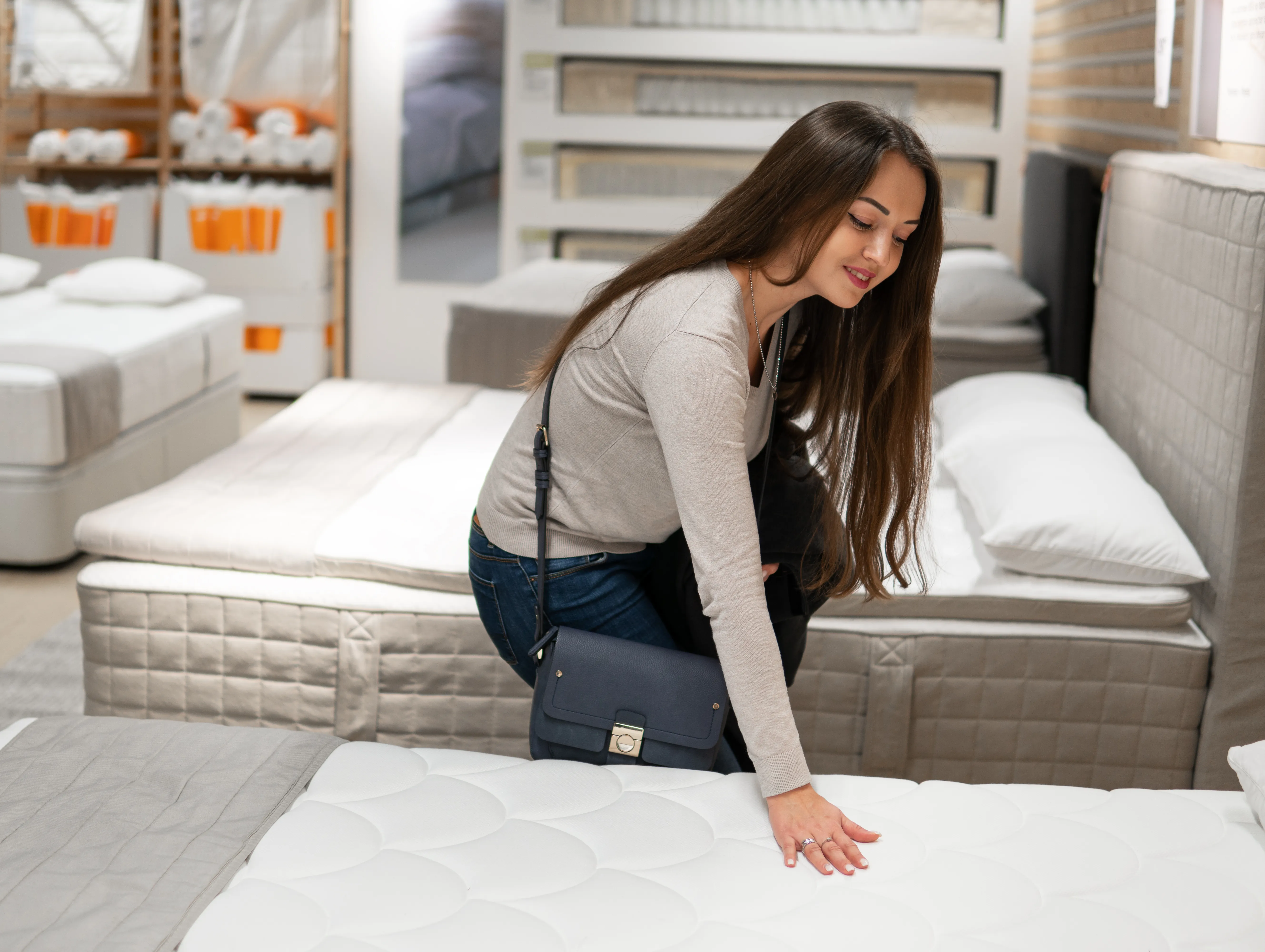
Not testing the mattress before buying is a mistake that online shopping has made easier to fall into. Always look for mattresses with a home trial period of at least 30 nights so you can test comfort under real sleeping conditions rather than making a decision based on a few minutes in a showroom.
Overlooking the warranty and return policy is costly. A quality mattress should come with a minimum 10-year warranty. Always read the terms before purchasing to understand what is covered.
How Long a Mattress Should Last
A good quality mattress should last between 7 and 10 years under normal use. Latex mattresses tend to have the longest lifespan, often lasting over a decade. Memory foam and hybrid mattresses typically last 7 to 10 years. Innerspring mattresses have the shortest lifespan, typically 5 to 7 years.
There are several signs that indicate it is time to replace your mattress. If you wake up with back pain, stiffness, or soreness that disappears after you get up, your mattress may no longer provide adequate support. Visible sagging or indentations deeper than 3 cm in the sleep surface are a clear sign of deterioration. If your mattress creaks or makes noise when you move, the internal support structure may be breaking down. If you consistently sleep better on hotel mattresses or other beds, your mattress at home has likely passed its useful life.

Tips for Choosing the Best Mattress
Knowing how to choose the right mattress means using a practical process rather than relying on advertising or guesswork.
Start by identifying your sleeping position and body weight. These two factors will significantly narrow your firmness range and mattress type options. Use the recommendations in this guide as a starting point.
Research mattress brands and models online and read verified customer reviews rather than promotional descriptions. Look for consistent feedback from sleepers with similar positions and preferences to your own.
Always check for a sleep trial period before purchasing. Reputable mattress brands offer trial periods ranging from 30 to 100 nights. This gives you time to evaluate the mattress properly at home under your actual sleeping conditions.
Check the warranty duration and terms carefully. A 10-year warranty is the industry standard for a quality mattress. Shorter warranties may indicate lower build quality or materials that deteriorate quickly.
Consider your sleeping partner if relevant. If two people with different sleeping preferences share a bed, look for a medium-firm or hybrid mattress that accommodates both, or consider a split-firmness option if available.
Finally, do not rush the decision. A mattress is a long-term investment in your health and sleep quality. Taking the time to research, compare, and test options will pay off in years of better sleep and reduced discomfort.
Conclusion
Learning how to choose the right mattress is about understanding that no single mattress works for everyone. The best mattress for you is one that matches your sleeping position, supports your body weight, aligns your spine, and relieves pressure points throughout the night. By considering mattress type, firmness level, key features like cooling and motion isolation, and practical factors like warranty and trial period, you can make a confident buying decision that improves your sleep quality for years to come.
A mattress is one of the most used items in your home and directly affects your physical health, mental well-being, and daily energy levels. Taking the time to choose the right one is always worth the effort. Use this complete mattress buying guide to find the mattress that truly supports the sleep you deserve.