Choosing the best mattress for sleep is one of the most important decisions you can make for your health. A poor mattress disrupts your deep sleep cycles. It creates back pain, joint stiffness, and fatigue that carries into your entire day.
The good news is that finding the right one is not complicated. You need to understand which mattress type suits your body. This guide covers every major type — clearly, honestly, and without the jargon.
Table of Contents
- How to Find the Best Mattress for Sleep
- Memory Foam — Best Mattress for Sleep if You're a Side Sleeper
- Latex — Best Mattress for Sleep if You Sleep Hot
- Innerspring — Best Mattress for Sleep on a Budget
- Hybrid — Best Mattress for Sleep for Couples
- Orthopaedic — Best Mattress for Sleep with Back Pain
- Full Comparison Table
- Best Mattress for Sleep by Sleep Position
- Frequently Asked Questions
- Final Verdict
How to Find the Best Mattress for Sleep
Most people choose a mattress based on how it feels for five minutes in a showroom. That tells you almost nothing about how your body will feel after eight hours of sleep.
The best mattress for sleep is the one that keeps your spine aligned, relieves pressure at key points, and maintains a comfortable temperature all night. Miss any one of these, and your sleep quality suffers.
Start with These Three Questions
Before comparing mattress types, answer these three questions. Your answers will guide the rest.
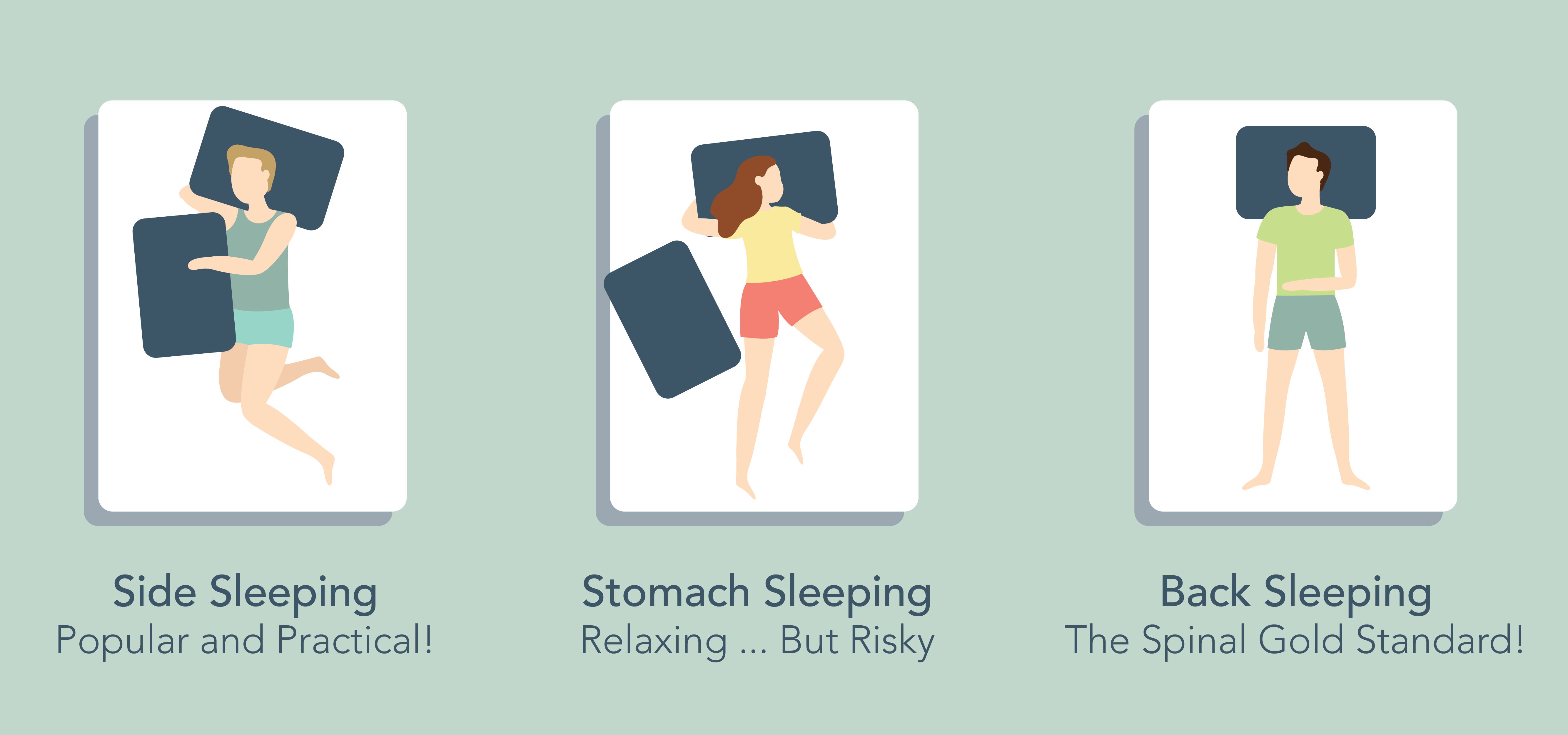
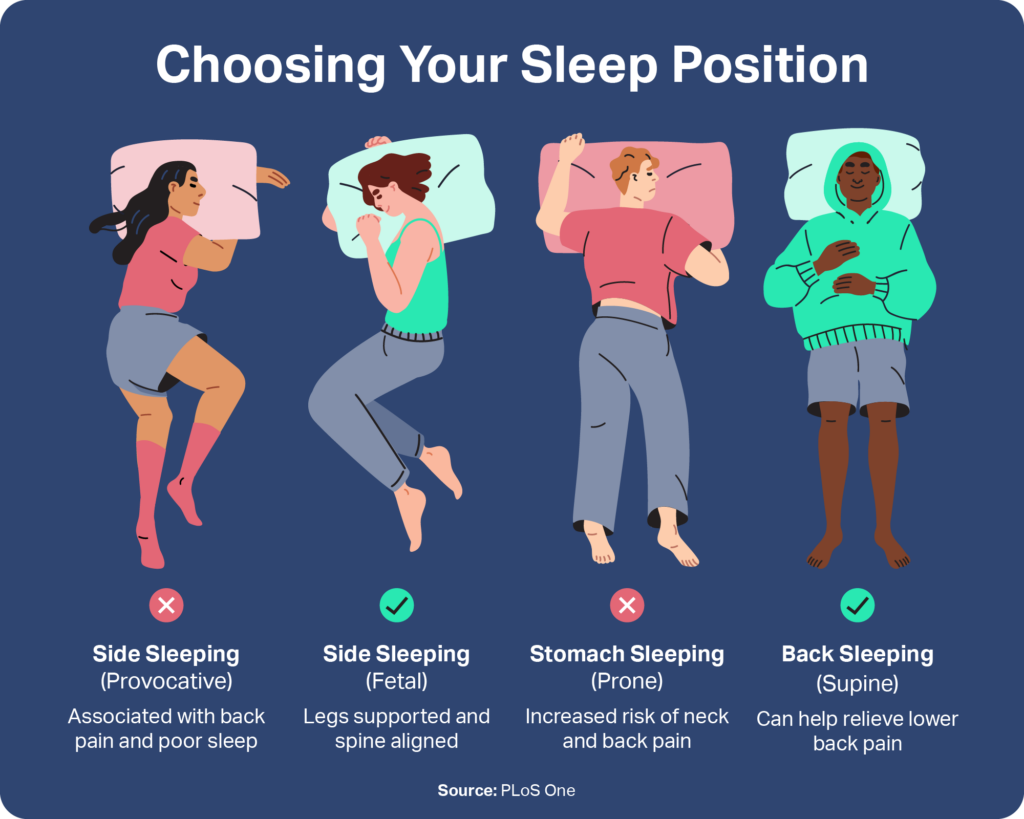
- What position do you sleep in? What position do you sleep in? Side, back, stomach, or a mix. This determines the firmness you need. If you struggle with back pain, our guide on the best sleeping position for back pain can help you find the right posture before choosing a mattress.
- Do you have health concerns? Back pain, joint pain, allergies, and sleeping hot all point to different materials.
- Do you share a bed? Couples with different needs usually benefit from a hybrid or zoned mattress.
What Ruins Sleep Quality and How a Mattress Fixes It
Poor spinal alignment is the biggest cause of sleep-related back pain. A mattress that sags lets your hips drop lower than your shoulders. Your muscles work all night overtime. You wake up stiff and sore.
Pressure buildup is the second issue. When your hips or shoulders press too hard into a firm surface, blood flow is restricted. Your body wakes you up to reposition. This breaks your deep sleep cycle without you even knowing it.
The best mattress for sleep solves both problems. It supports your spine and cushions your pressure points.
Memory Foam Best Mattress for Sleep if You're a Side Sleeper
NASA originally developed memory foam. Today, it is one of the most popular mattress materials worldwide. It responds to your body heat and pressure, slowly contouring to your exact shape.
Why It Supports Sleep Quality
Memory foam cradles your hips and shoulders. This makes it the best mattress for sleep for side sleepers, because it prevents painful pressure at these joints. If you sleep on your side, our detailed guide on the best mattress for side sleepers covers everything you need to know. It also isolates motion extremely well. If your partner moves at night, you won't feel it.
The Downsides to Know
Memory foam retains heat. Dense foam traps body warmth and can make hot sleepers uncomfortable. It also responds slowly. If you change positions a lot at night, the sluggish response can feel restrictive. Look for gel-infused or open-cell memory foam if heat is a concern.
Who Should Choose Memory Foam
- Side sleepers who need hip and shoulder pressure relief
- Couples where one partner is a restless mover
- People with joint pain or arthritis
- Light sleepers are easily disturbed by partner movement
Latex Best Mattress for Sleep if You Sleep Hot
Latex mattresses are made from natural rubber tree sap. Natural Latex is breathable, hypoallergenic, and naturally resistant to dust mites and mould. It is one of the most durable materials available in any mattress today.
How Latex Feels Different from Foam
Unlike memory foam, Latex responds instantly. When you move, it adjusts right away. It feels buoyant and supportive rather than enveloping. Most people describe sleeping on Latex as feeling "lifted" rather than sinking into the bed.
This responsiveness makes Latex a strong contender for the best mattress for sleep among combination sleepers and anyone who moves frequently at night.
Latex and Back Pain
Latex is one of the top choices for spinal support. It resists sagging over the years of use. A natural latex mattress typically lasts 15 to 20 years — far longer than foam or innerspring options. If your current mattress is causing discomfort, find out whether a mattress can actually cause back pain. For a deeper look, read our full guide on latex mattresses for back pain relief.
Who Should Choose Latex
- Hot sleepers who wake up uncomfortable on memory foam
- Back pain sufferers who need firm lumbar support
- Eco-conscious buyers who prefer natural, certified materials
- Anyone looking for a long-lasting investment in sleep quality
Innerspring Best Mattress for Sleep on a Budget
Innerspring mattresses use a network of steel coils for support. They are the oldest and most widely sold mattress designs in the world. Their open coil structure naturally allows air to circulate through the mattress.
Why Some Sleepers Prefer Innerspring
Innerspring mattresses feel firm and bouncy. They provide strong edge support. They are generally the most affordable option. Good airflow through the coils also keeps the sleep surface cooler than dense foam alternatives.
Where Innerspring Falls Short
Innerspring mattresses offer limited pressure relief. A basic coil system does not contour to the body the way foam or Latex does. They also transfer motion easily. If your partner moves, you will feel it. Older innerspring mattresses can also become noisy as coils wear down.
Who Should Choose Innerspring
- Stomach sleepers who need a firm surface to protect the lower spine
- Budget-conscious buyers who want basic, reliable support
- People who find foam mattresses too hot or too soft
- Solo sleepers who do not need motion isolation
Hybrid — Best Mattress for Sleep for Couples
A hybrid mattress combines a coil support system with foam or latex comfort layers on top. The goal is to deliver the bounce and airflow ofan innerspring with the pressure relief and contouring of foam or Latex.
Why Hybrids Work for Most Sleepers
Hybrids are versatile. You get pressure relief from the top comfort layers. You get solid edge support and airflow from the coil system below. This balance makes a hybrid one of the strongest candidates for the best mattress for sleep across different body types and preferences.
Hybrids and Motion Isolation
Hybrids and Motion Isolation Modern hybrid mattresses use pocketed coils. Each coil moves independently. This significantly reduces motion transfer, a common complaint with traditional innerspring beds. Couples with different sleep positions often find hybrid mattresses the easiest compromise. For more tailored recommendations, explore our guide on the best mattress for couples.
Who Should Choose Hybrid
- Couples with different sleep positions or firmness preferences
- Combination sleepers who switch positions through the night
- Anyone who wants pressure relief but finds memory foam too hot
- Heavier sleepers who need both support depth and cushioning
Orthopaedic Best Mattress for Sleep with Chronic Back Pain
An orthopaedic mattress is designed specifically for spinal alignment and joint support. It is firmer than a standard mattress. The focus is on keeping the spine in a neutral, well-supported position all night long.
What Makes Orthopaedics Different
True orthopaedic mattresses use zoned support. Different firmness levels are built into different sections. The lumbar zone is the firmest. Shoulder and leg zones are slightly softer. This targets support exactly where the body needs it most.
A Word of Caution on the Label
Many brands use orthopaedic as a marketing term with no clinical basis. There is no regulated standard for what qualifies. Look for certifications or physiotherapist endorsements rather than relying on the label alone.
According to NHS sleep guidance, a supportive and comfortable mattress is one of the most effective non-medical tools for improving sleep quality. Medium-firm is most commonly recommended for people with a back pain.
Who Should Choose Orthopaedic
- People with chronic lower back or neck pain
- Those recovering from back surgery or spinal injury
- Older adults who need extra joint support overnight
- Anyone whose doctor has recommended a firmer sleep surface
Best Mattress for Sleep Full Comparison Table
Use this table to compare all five types at a glance.
| Type | Best For | Key Pros | Key Cons | Lifespan |
|---|---|---|---|---|
| Memory Foam | Side sleepers, couples | Excellent pressure relief, great motion isolation | Retains heat, slow response | 7–10 yrs |
| Latex | Hot sleepers, back pain | Naturally cool, responsive, durable, hypoallergenic | Higher cost, heavy | 15–20 yrs |
| Innerspring | Budget buyers, stomach sleepers | Good airflow, firm, affordable | Less pressure relief, transfers motion | 8–12 yrs |
| Hybrid | Couples, combination sleepers | Balanced feel, cooling, versatile | Higher cost, heavier | 10–15 yrs |
| Orthopedic | Back pain, joint issues | Targeted spinal suppor, reduces pain | May feel too firm for some | 8–12 yrs |
Best Mattress for Sleep by Sleep Position
Your sleep position is the most reliable guide to choosing the right mattress. Here is a clear, practical breakdown.
| Sleep Position | Best Mattress Type | Firmness | Why |
|---|---|---|---|
| Side sleeper | Memory foam or Latex | Medium to Medium-Soft | Shoulders and hips need to sink in slightly to keep the spine level. |
| Back sleeper | Latex, Hybrid, or Orthopaedic | Medium-FirmThe lumbar | The spine needs firm, even support to maintain its natural curve. |
| Stomach sleeper | Innerspring or Firm Hybrid | Firm | Prevents hips from sinking below the torso, which strains the lower back. |
| Combination sleeper | Hybrid or Latex | Medium | Responsive materials adjust instantly when you change position. |
The position you sleep in matters more than the brand you buy. Get the firmness right for your position first our complete mattress firmness guide will help you pick the perfect level. Everything else is secondary.
What About Body Weight?
Heavier sleepers (above 90 kg / 200 lbs) compress a mattress more deeply. They should go one firmness level higher than the table above suggests. Lighter sleepers (under 60 kg / 130 lbs) often need one level softer. This small adjustment makes a big difference to spinal alignment and pressure relief.
For more detailed guidance on selecting a mattress for back pain, visit the Sleep Foundation's mattress research hub, one of the most comprehensive independent sleep resources available.
Final Verdict: What Is the Best Mattress for Sleep?
Our Honest Summary
There is no single best mattress for sleep. But there is the best one for you. Here is the clearest summary we can offer:
- Best for pressure relief: Memory foam
- Best for hot sleepers and durability: Natural Latex
- Best for back pain: Latex or orthopaedic
- Best for couples: Hybrid with pocketed coils
- Best on a budget: Innerspring or entry-level hybrid
Match your choice to your sleep position first. Then consider your health needs, temperature preferences, and budget. Use the trial period that every brand should offer. Let your body tell you what works. Ready to explore options?