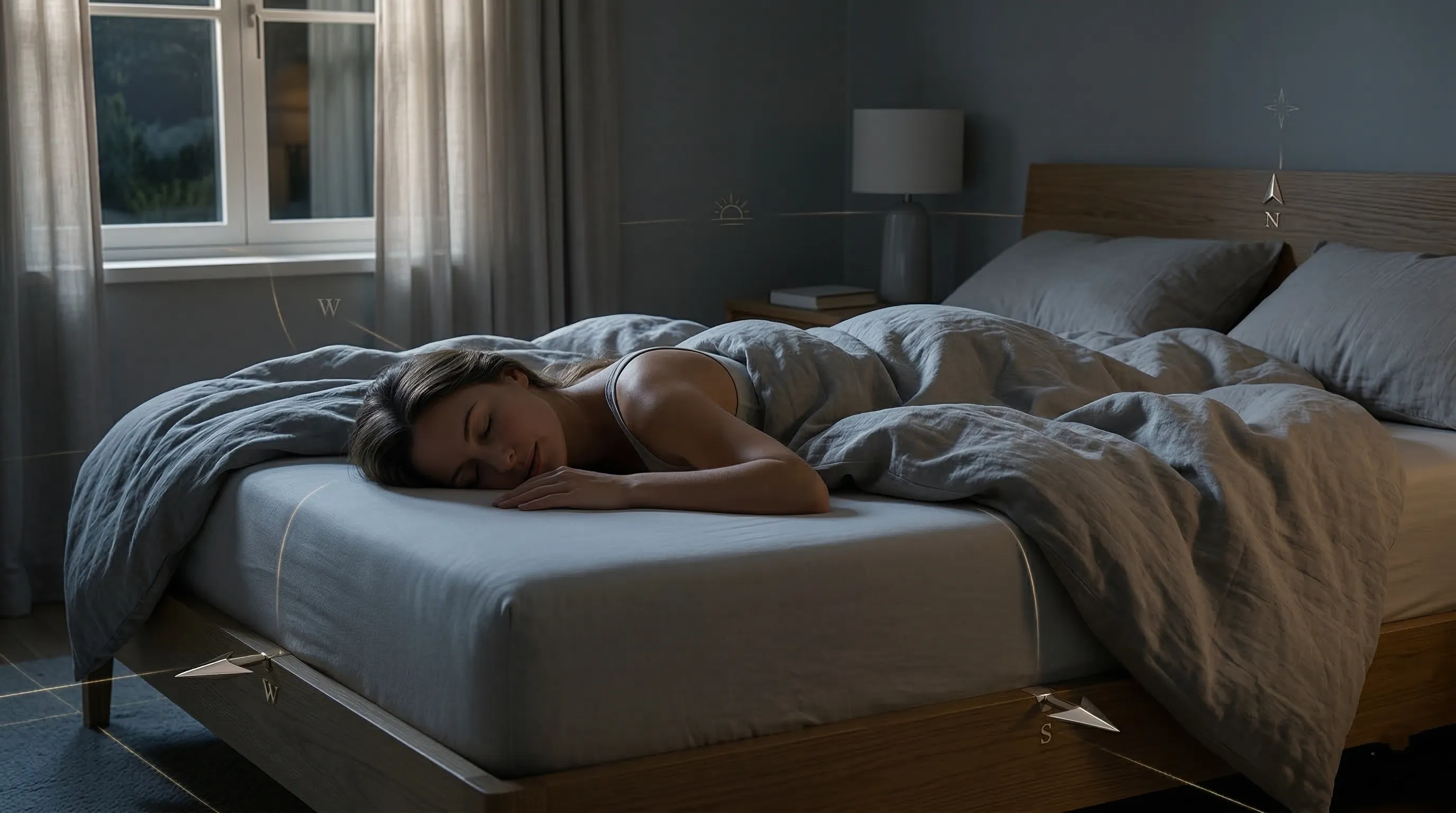
Sleeping Without a Pillow: Is It Good or Bad for Your Health?
Pillows are so deeply embedded in our idea of a comfortable bed that questioning their necessity feels almost counterintuitive. Yet a growing number of people are experimenting with sleeping without a pillow, driven by claims that it improves posture, reduces neck pain, and leads to more natural spinal alignment. Some report sleeping better after ditching their pillow entirely. Others wake up with worse neck pain than before.
So who is right? The honest answer is that both outcomes are possible, and whether sleeping without a pillow helps or harms you depends almost entirely on your sleeping position. A pillow serves a specific biomechanical function: it fills the gap between your head and the sleeping surface to keep your cervical spine aligned with the rest of your spine. Whether that gap exists and how large it is depend entirely on how you sleep.
In this complete guide, we examine the real benefits and genuine risks of sleeping without a pillow for every sleeping position, explain how pillow height affects spinal alignment, cover the mattress factors that influence your pillow needs, and help you determine whether removing your pillow is the right decision for your specific sleep setup and body.
Quick Answer: Is Sleeping Without a Pillow Good?
Sleeping without a pillow may benefit stomach sleepers because lying face down places the head close to the mattress level, and a thick pillow would push the neck into uncomfortable extension. For stomach sleepers, a very thin pillow or no pillow at all can help keep the cervical spine in a less strained position. However, back sleepers and side sleepers almost always require a pillow to maintain proper spinal alignment. Removing the pillow in these positions leaves the neck unsupported, creating misalignment and muscle tension that causes pain and disrupted sleep.
Why Pillows Are Important for Sleep
To understand the effects of sleeping without a pillow, it is essential first to understand what a pillow does for your body during sleep and why its absence can cause problems in most sleeping positions.
Neck Support: The neck, or cervical spine, consists of seven vertebrae forming a natural inward curve known as the cervical lordosis. This curve must be maintained during sleep so that the neck muscles, ligaments, and spinal discs can fully relax and recover overnight. When the head rests directly on a flat mattress without pillow support, the cervical curve is either flattened or overextended, depending on the sleeping position, placing the surrounding soft tissues in sustained stretch or compression for hours at a time.
Spinal Alignment: The entire spine functions as a connected system. The cervical, thoracic, and lumbar regions are not independent structures; misalignment at the neck creates compensatory tension that travels through the upper back and eventually into the lower back. A pillow that correctly fills the gap between the head and the sleeping surface maintains the cervical section of this system in its natural position, allowing the entire spinal column to rest in proper alignment rather than in a cascading series of compensatory curves.
Pressure Relief: The head weighs approximately 5-6 kilograms. Without a pillow, this weight rests entirely on the shoulder when sleeping on the side, or directly on the face and jaw when sleeping on the stomach. A pillow distributes this load across a cushioned surface, reducing concentrated pressure on the ear, jaw, and shoulder that would otherwise cause numbness and discomfort during extended sleep periods.
Sleep Quality: Physical discomfort from poor neck support is one of the most common causes of night awakenings and morning stiffness. A pillow that correctly supports the neck allows the body to remain in a comfortable, aligned position through the natural transitions of the sleep cycle without being forced awake by accumulated muscular tension.
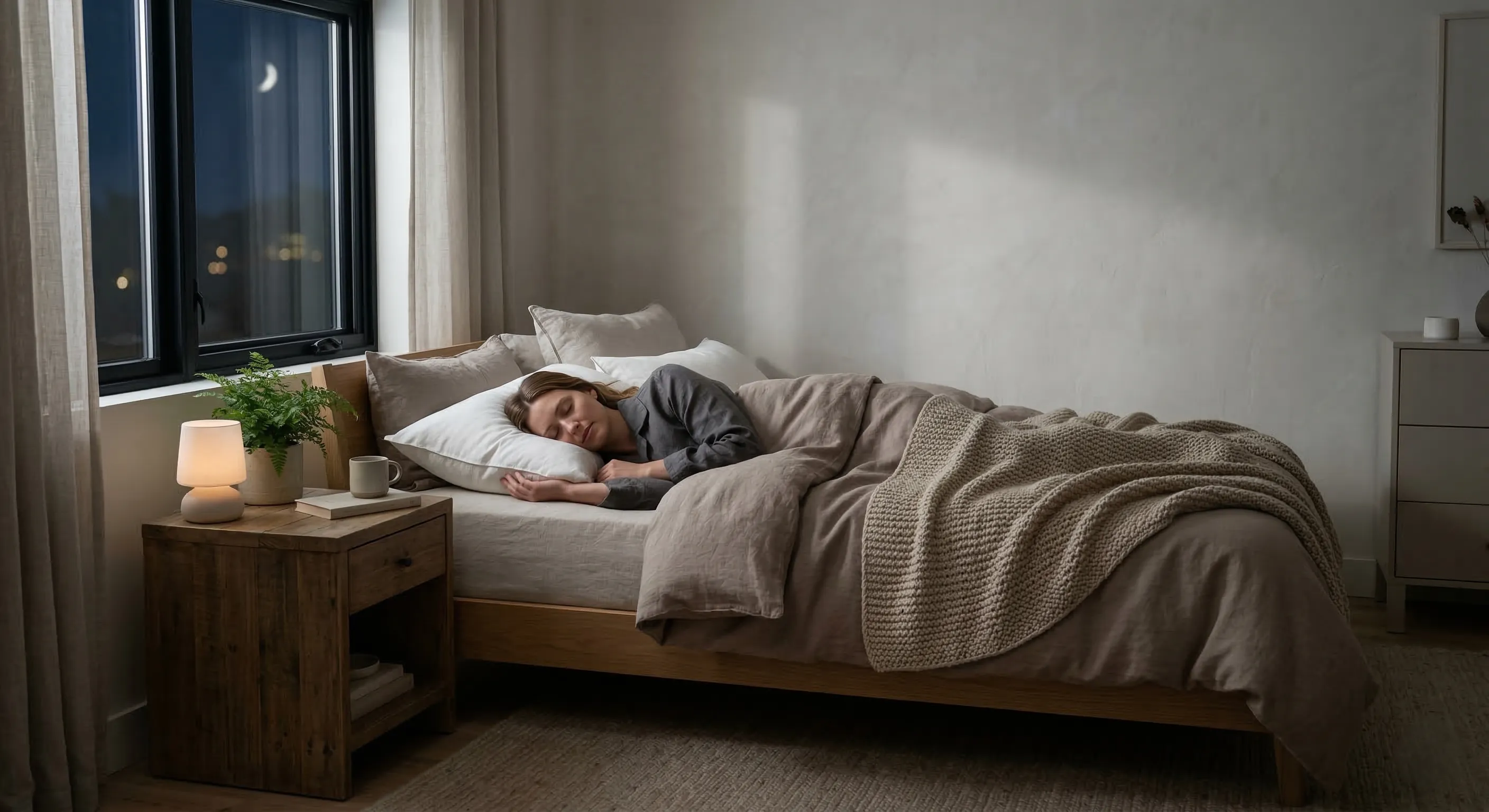
Benefits of Sleeping Without a Pillow
While removing a pillow is not appropriate for all sleepers, there are specific situations where sleeping without a pillow can genuinely improve comfort and spinal alignment:
Improved Posture for Stomach Sleepers: Stomach sleeping is the position where pillow removal is most physiologically justified. When lying face down, the head is already relatively close to the level of the mattress. A standard or thick pillow under the head of a stomach sleeper pushes the neck into a forced upward extension, increasing the lumbar arch and cervical strain simultaneously. A very thin pillow, or no pillow at all, reduces this forced extension, keeping the head closer to neutral and reducing neck and lower back strain, which makes stomach sleeping the most problematic position for spinal health.
Reduced Neck Strain in Specific Conditions: Some people with very narrow shoulders, or those sleeping on particularly thick or firm mattresses, may find that standard pillows push their heads too far forward when sleeping on their backs, creating chin-to-chest neck flexion that strains the posterior cervical muscles. In these specific cases, experimenting with a thinner pillow or briefly trialling no pillow may reduce the forward-pushing strain. However, this is a situation that calls for a correctly sized pillow rather than no pillow.
Reduced Heat and Pressure on the Face: For people who experience facial pressure, skin creases, or heat buildup from their pillow material, sleeping on a flat surface without a pillow can eliminate these discomforts. This benefit is most relevant for stomach sleepers or those who sleep on their back in warm climates where pillow heat retention is a concern.
Spinal Alignment for Very Thin Individuals: Very lightweight individuals with narrow shoulders who sleep on their back may find that even a thin pillow creates more cervical flexion than their natural cervical curve requires. For this specific body type in back sleeping, a very low loft pillow or no pillow may more accurately match the small gap between their head and the mattress surface.
Disadvantages of Sleeping Without a Pillow
For most sleeping positions and body types, the disadvantages of sleeping without a pillow significantly outweigh any potential benefits:
Neck Pain: This is the most common and most immediate consequence of removing pillow support for side and back sleepers. Without a pillow, the head drops below the level of the shoulders in side sleeping, creating a lateral bend in the cervical spine that places the neck muscles on the dropped side in sustained stretch and those on the elevated side in sustained compression. After 7 to 8 hours in this position, the resulting muscular tension produces a stiff, painful neck on waking, the most frequently reported consequence of pillowless sleeping.
Shoulder Discomfort: In side sleeping without a pillow, the shoulder of the lower arm bears both the body's lateral weight and the additional downward force of the unsupported head. This combined loading increases shoulder pressure and can compress the brachial nerve plexus, producing arm numbness and shoulder pain that side sleepers commonly report when sleeping on too-firm surfaces or without adequate head support.
Spinal Misalignment: The cascading effect of cervical misalignment from inadequate pillow support extends beyond the neck. Sustained cervical lateral flexion in side sleeping creates compensatory tension in the thoracic and upper lumbar regions that produces the upper back and shoulder blade pain many people experience after sleeping on flat surfaces. The spine functions as a system, and misalignment at the top creates strain throughout the chain below it.
Headaches: Sustained muscular tension in the cervical and suboccipital muscles, caused by sleeping without a pillow in an inappropriate position, is one of the most common causes of tension-type headaches that are present upon waking and ease during the day, a pattern that many sufferers never connect to their sleep posture.
Sleeping Without a Pillow for Different Sleeping Positions
Stomach Sleepers
Stomach sleeping is the one position where sleeping without a pillow has the strongest physiological justification. When lying face down, the body is relatively flat against the mattress, and the head sits much closer to the mattress level than in side or back sleeping. A standard pillow under the head of a stomach sleeper creates forced cervical extension (the neck bent backwards), which strains the posterior cervical muscles and facet joints and worsens the lumbar hyperextension that makes stomach sleeping the most problematic position for lower back health.
For stomach sleepers, removing the head pillow or replacing it with an ultra-thin pillow 2-3cm thick reduces this forced extension and keeps the head in a less strained position. However, even without a head pillow, stomach sleeping should ideally be transitioned away from entirely, as it requires neck rotation to breathe. At the same time, face down creates sustained asymmetric cervical tension regardless of whether a pillow is used. A thin pillow placed under the pelvis rather than the head is a more impactful intervention for stomach sleepers to reduce the lumbar arch that causes their characteristic lower back pain.
Verdict for stomach sleepers: No pillow or ultra-thin pillow may help.
Back Sleepers
Back sleepers almost always need a pillow, though the correct loft is critical. In back sleeping, the natural cervical lordosis creates an inward curve at the neck, lifting the head slightly above the mattress. A pillow of appropriate medium loft fills this gap, supporting the natural cervical curve without pushing the head into forward flexion. Without a pillow, the head drops flat against the mattress, leaving the cervical curve unsupported and causing sustained posterior neck muscle tension throughout the night.
The exception is back sleepers on very thick, soft mattresses, where the shoulders sink deeply into the surface, reducing the gap between the head and the mattress. In this specific situation, a thinner pillow than usual may be appropriate, but complete pillow removal is rarely the correct solution. For most back sleepers, a medium-loft pillow of 8 to 12cm that maintains a slightly chin-neutral position without pushing the chin toward the chest is the correct choice.
Verdict for back sleepers: Always use a medium loft pillow.
Side Sleepers
Side sleepers have the strongest requirement for a pillow of any sleeping position and are the group for whom sleeping without a pillow creates the most significant problems. In side sleeping, the shoulder lifts the torso off the mattress while the head would naturally drop toward the surface if unsupported. The gap between the head and the mattress in side sleeping is equal to approximately the width of the sleeper's shoulder, typically 10 to 15cm for most adults. Without a pillow filling this gap, the cervical spine bends laterally downward toward the mattress for the entire sleep period.
This lateral cervical flexion is one of the most reliably painful positions the neck can be sustained in. The muscles on the upper side of the neck are stretched. In contrast, those on the lower side are compressed, producing the characteristic unilateral neck stiffness and pain that side sleepers consistently report when sleeping without a pillow. Side sleepers need a firm, high-loft pillow that fills the shoulder-to-head gap, keeping the cervical spine level and horizontal throughout the night.
Verdict for side sleepers: A thick, firm pillow is essential.
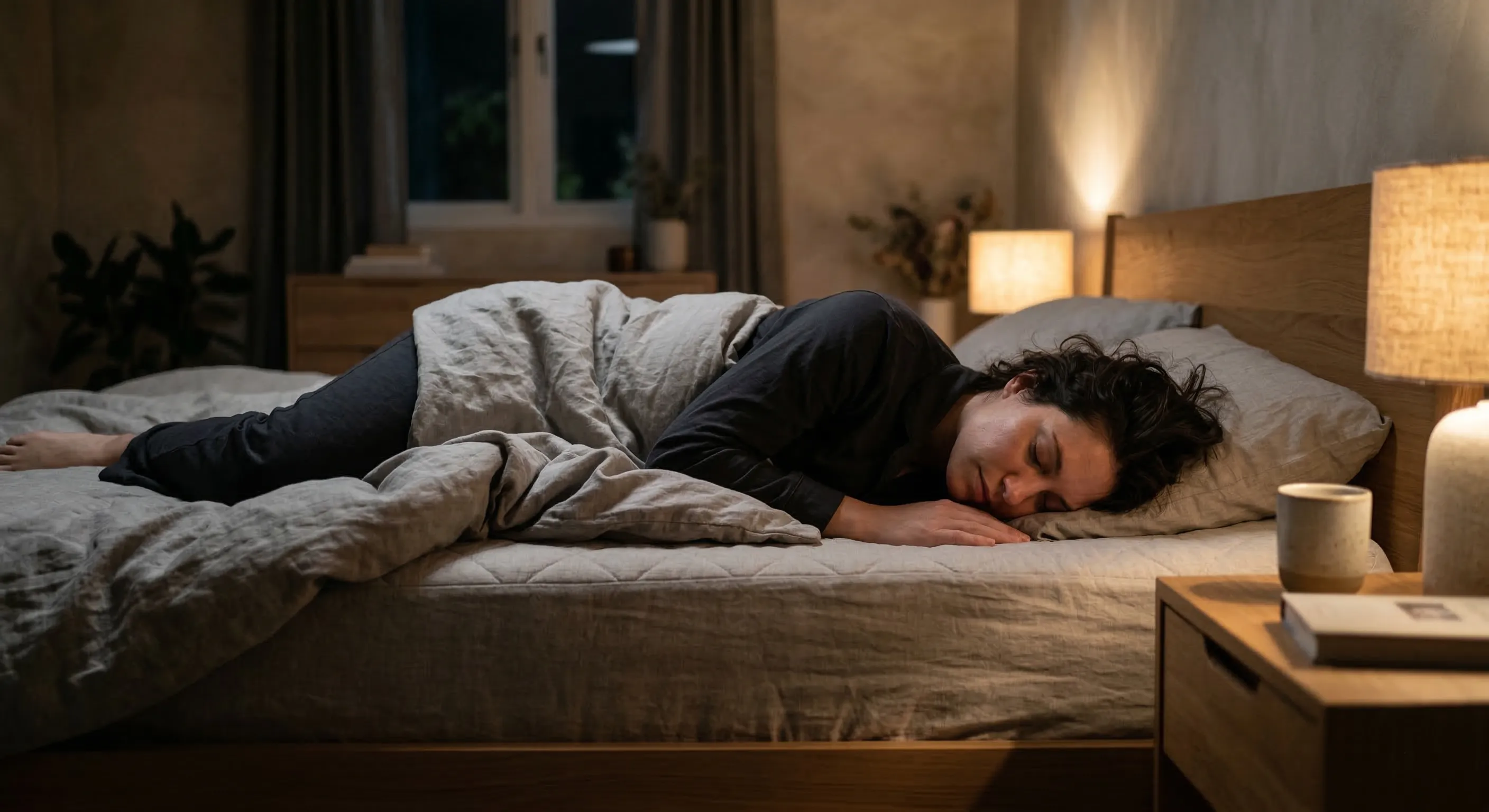
How Pillow Height Affects Spinal Alignment
Pillow height, technically called pillow loft, is as important as the presence or absence of a pillow in determining cervical alignment during sleep. The correct loft varies significantly by sleeping position and shoulder width.
Pillow Loft by Position: Side sleepers need the highest loft pillow, typically 12 to 15cm for average shoulder width, to fill the large gap created by shoulder elevation. Back sleepers need medium loft, typically 8 to 12cm, to support the natural cervical curve without excessive neck flexion. Stomach sleepers need the lowest loft, 2 to 5cm at most, or no pillow as discussed above.
Neck Positioning: The correct pillow height keeps the cervical spine parallel to the mattress when side sleeping and maintains the natural inward cervical curve when back sleeping. Any deviation from these positions, whether from a too-high pillow pushing the head forward or a too-low pillow allowing the head to drop, creates muscular tension that accumulates through the night and produces pain upon waking.
Mattress Interaction: Pillow loft requirements vary with mattress firmness. On a softer mattress, the shoulder sinks more deeply into the surface when side sleeping, reducing the gap between the head and the mattress and requiring a lower-loft pillow than on a firmer mattress, where the shoulder sinks less. This interaction means that changing mattress firmness may also require changing pillow loft to maintain correct cervical alignment.
Can Sleeping Without a Pillow Cause Neck Pain?
Yes, sleeping without a pillow can directly cause neck pain in most sleeping positions, and is one of the most common and most overlooked causes of chronic morning neck stiffness and cervicogenic headaches.
For side sleepers, the mechanism is immediate and predictable. Removing the pillow lowers the head below shoulder level, creating the lateral cervical flexion described above, placing every neck muscle, ligament, and spinal disc in a mechanically disadvantageous position throughout the sleep period. The resulting pain is typically unilateral, worse on the side the person sleeps on, and gradually eases during the morning as movement releases the accumulated muscular tension.
For back sleepers, removing the pillow drops the head flat, removes support from the natural cervical lordosis, and forces the posterior neck muscles to maintain continuous low-level contraction to prevent complete head extension. After 7 to 8 hours, this sustained subthreshold muscular effort produces posterior neck tightness and occipital headaches, the characteristic morning symptoms of pillow-absent back sleeping.
For stomach sleepers, the neck pain from pillow absence is more complex. While removing a thick pillow reduces cervical extension, the sustained lateral neck rotation that is unavoidable when sleeping on the stomach creates asymmetric cervical tension regardless of the pillow's presence. The combination of no pillow and a rotated neck while sleeping on the stomach produces a different pattern of neck pain from other positions, but it is not pain-free for most people.
How Your Mattress Affects Pillow Needs
Your mattress and your pillow work as an integrated system. The correct pillow for your sleeping position depends significantly on the firmness and thickness of your mattress, and changing one without reconsidering the other can create new alignment problems even when each component seems correct in isolation.
Mattress Firmness: A firmer mattress keeps the body closer to the surface, maintaining a larger gap between the head and the mattress in side sleeping and requiring a higher-loft pillow. A softer mattress allows the body to sink into the surface, reducing the head-to-mattress gap and requiring a lower loft pillow. Side sleepers who switch from a firm to a soft mattress without adjusting their pillow loft often find their original pillow pushes their head too high on the new mattress, creating a lateral spinal deviation in the opposite direction.
Body Support and Pressure Points: A mattress that provides adequate shoulder pressure relief when sleeping on the side allows the shoulder to sink to its natural depth without forcing excessive elevation, reducing the need for additional pillows. A mattress that is too firm prevents the shoulders from sinking and elevates the body more, increasing the head-to-mattress gap and requiring a thicker pillow than a more pressure-relieving surface would. Read our Mattress Firmness Guide: How to Choose the Perfect Firmness Level for complete guidance on choosing the correct firmness for your position. For side sleeper-specific guidance, read our Best Mattress for Side Sleepers: Pressure Relief Guide.
How to Choose the Right Pillow for Your Sleeping Position
Choosing the right pillow is the most reliable solution for anyone who is considering sleeping without a pillow due to discomfort with their current one. In most cases, the problem is an incorrectly sized pillow rather than pillows being unnecessary:
Side Sleepers: Need a firm, high-loft pillow of 12 to 15cm that fills the full shoulder-to-head gap and maintains the cervical spine at a level and horizontal position. Memory foam or latex pillows that hold their shape throughout the night are more effective than down or fiberfill pillows that compress and flatten. Consider a contoured cervical pillow with a higher outer edge that specifically supports the ear-to-shoulder gap when sleeping on the side.
Back Sleepers: Need a medium-loft pillow, 8 to 12cm, that supports the natural cervical curve without pushing the chin forward toward the chest. A pillow with a slight contour that cradles the neck rather than simply elevating the head is most effective. The chin should remain in a neutral position, not pressed downward or tilted backwards. Avoid overly thick pillows that create excessive neck flexion.
Stomach Sleepers: Need the thinnest possible pillow, typically 2 to 5cm, or no pillow at all, as discussed. Ultra-thin pillow inserts or specialised stomach-sleeper pillows with minimal loft are available and address the cervical extension problem better than standard pillows modified by folding or compressing. A thin pillow under the pelvis is more important for stomach sleepers than the head pillow.
Combination Sleepers: Those who change positions during the night benefit from a medium-loft, medium-firm adjustable pillow that provides acceptable support across both back and side sleeping without being optimal for either. Adjustable fill pillows that allow loft modification are particularly practical for combination sleepers.
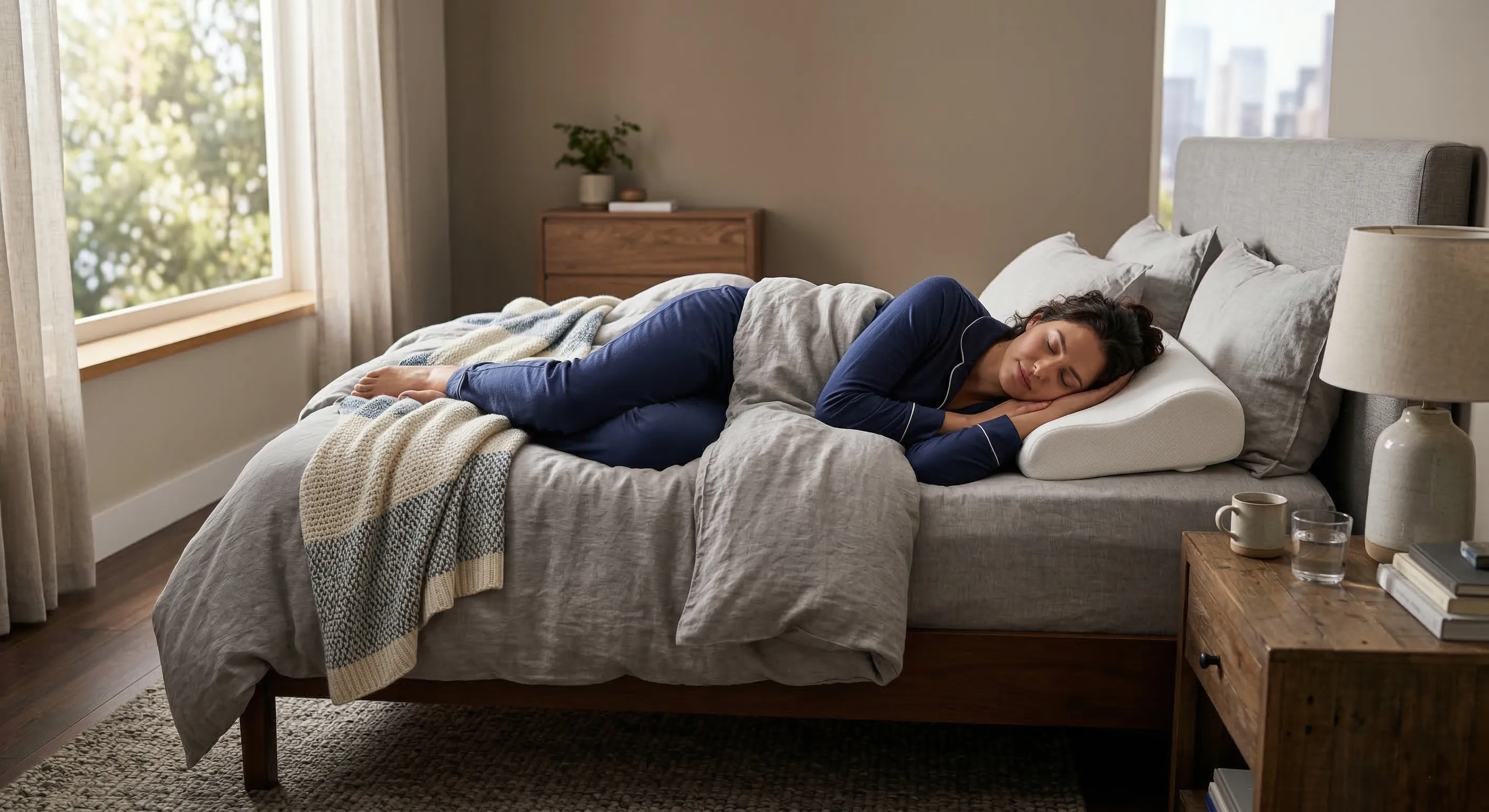
Tips for Improving Sleep Posture
- Maintain Spinal Alignment: The goal of every sleep posture decision, including pillow choice, is to keep the entire spine in its natural neutral position from the cervical curve through the lumbar curve. Evaluate your pillow and mattress combination by asking whether your spine is level and supported at every point when you lie in your sleeping position.
- Choose the Proper Mattress Firmness: Pillow adjustments are most effective when the mattress already provides proper body support. If your mattress is too firm or too soft for your position, no pillow adjustment will fully compensate for the resulting spinal misalignment. Read our Best Sleeping Position for Back Pain: Expert Guide for Pain-Free Sleep for complete position and support guidance.
- Support the Neck Properly: The pillow should fill the space between the head and the mattress without pushing the head into an elevated or forward position. Check your pillow by having someone observe your neck position from behind while you lie in your normal sleeping position.
- Replace Worn Pillows: Pillows that have flattened and lost their original loft provide inadequate support equivalent to sleeping without a pillow. Most pillows should be replaced every 1 to 2 years, depending on the material and usage. Memory foam and latex pillows maintain their shape longer than down or fiberfill alternatives.
- Consider Your Sleep Duration: Proper sleep posture matters more as sleep duration increases. Read our How Many Hours of Sleep Do You Need? Complete Sleep Guide to ensure your sleep duration allows full recovery, as longer sleep in a misaligned position accumulates more spinal tension than the same position for fewer hours.
Conclusion
The question of whether sleeping without a pillow is good or bad has a clear position-dependent answer. For stomach sleepers, removing a thick pillow or switching to an ultra-thin pillow reduces cervical extension and lumbar strain, making stomach sleeping the most problematic position for spinal health. For back and side sleepers, removing the pillow can lead to cervical misalignment and muscle tension, which can directly cause neck pain, shoulder discomfort, and poor sleep quality.
For most people experiencing pillow-related discomfort, the solution is not to remove the pillow but to correct it. Choosing the right loft and firmness for your sleeping position, ensuring your pillow matches your mattress's firmness, and replacing worn or flattened pillows regularly will resolve most sleep posture problems without the risks of sleeping without support.