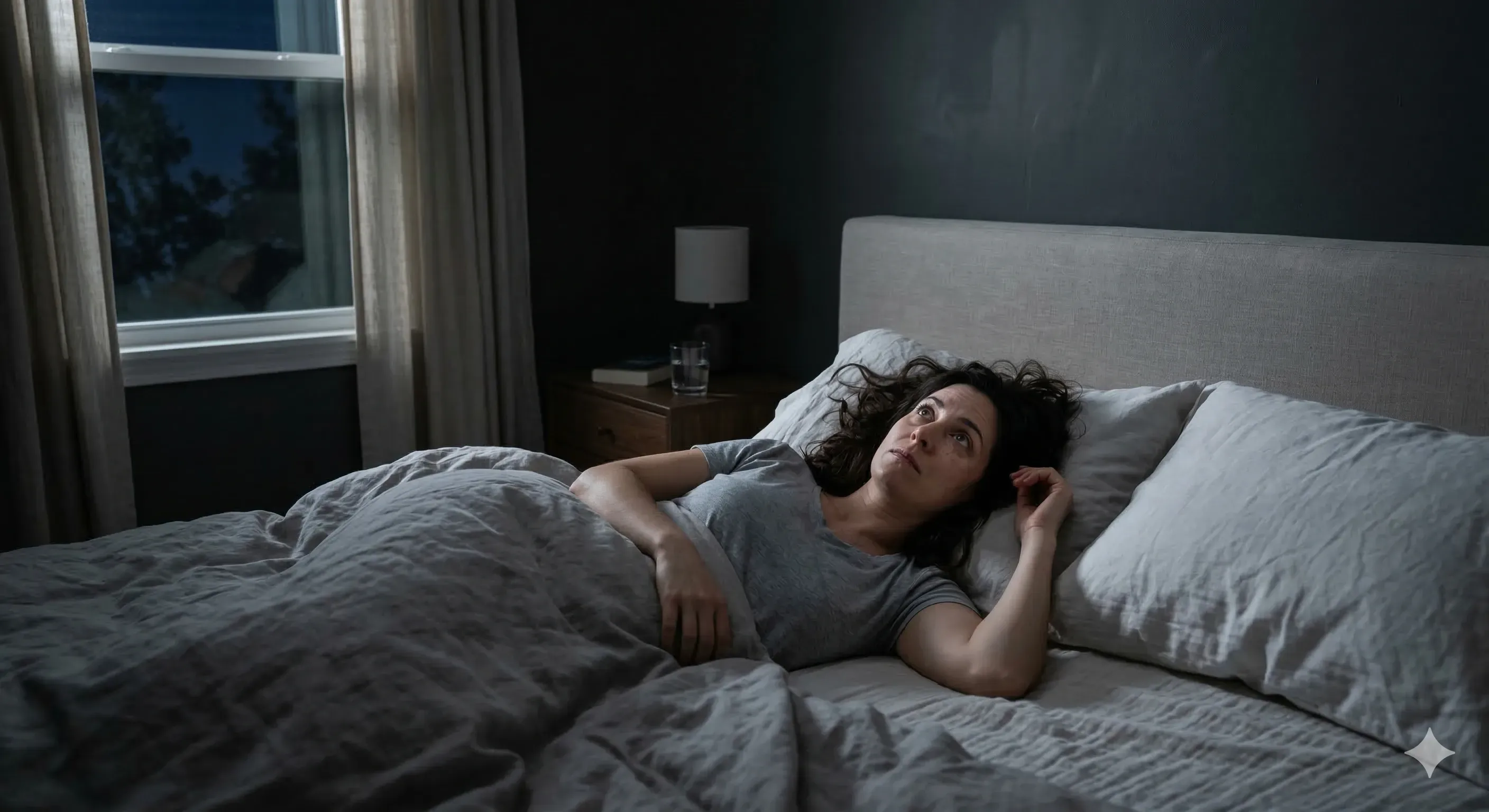
Why Can't I Sleep Through the Night? Common Causes and Solutions
Falling asleep is one thing. Staying asleep is another matter entirely. Millions of people around the world have no difficulty falling asleep at bedtime but find themselves wide awake at 2 am, 3 am, or 4 am, staring at the ceiling, unable to understand why their bodies will not let them sleep through the night. Night after night, the pattern repeats, and with it come the fatigue, brain fog, and frustration that sleep interruption reliably produces.
If you regularly ask yourself why you can't sleep through the night, you are not alone, a nd you are not dealing with something untreatable. Night awakenings are among the most common sleep complaints worldwide, affecting people of all ages and lifestyles. But while the experience is common, that does not mean it is normal or acceptable. Frequent night awakenings are a signal that something in your physiology, sleep environment, lifestyle habits, or mattress setup is disrupting the sleep architecture your body needs to restore itself properly.
In this complete guide, we explain exactly how sleep cycles work and why some awakenings are normal while others signal a problem, cover every major cause of night awakenings, explain why some people wake at the same time every night, and provide a practical, evidence-based set of solutions to help you sleep through the night consistently.
Quick Answer: Why Do People Wake Up During the Night?
People wake up during the night most commonly due to Stress and anxiety, poor sleep environment factors like excessive room temperature, noise, or light, caffeine or alcohol consumed too close to bedtime, an uncomfortable or unsupportive mattress, late-night screen exposure that suppresses melatonin production, and underlying sleep disorders such as sleep apnea, insomnia, or restless leg syndrome. In many cases, multiple factors are contributing simultaneously. Addressing the most significant contributing factor, or improving across all of them, reliably reduces or eliminates the night awakenings that are preventing restorative sleep.
How Sleep Cycles Work
Understanding why you can't sleep through the night requires understanding how sleep is structured: it's not a single continuous state but a series of repeating cycles, each containing distinct stages with different functions.
Sleep Stages: Each sleep cycle lasts approximately 90 minutes and contains four stages. Stage 1 is light sleep, the transition from wakefulness that lasts only a few minutes. Stage 2 is characterised by consolidated light sleep, during which heart rate slows, body temperature drops, and brain activity decreases in preparation for deep sleep. Stage 3 is deep slow-wave sleep, the most physically restorative stage where growth hormone is released, tissue repair occurs, and immune function is most active. Stage 4 is REM (Rapid Eye Movement) sleep, where dreaming occurs,s and emotional and cognitive processing takes place.
Natural Cycle Transitions: A full night of sleep contains 4 to 6 complete sleep cycles. The proportion of each stage changes across the night. Early cycles contain more deep slow-wave sleep. Later cycles contain progressively more REM sleep. At the end of every cycle, approximately every 90 minutes, the brain briefly returns toward lighter sleep before beginning the next cycle. This is a normal, universal feature of human sleep architecture.
Why Some Awakenings Are Normal: Brief partial awakenings at the end of each cycle, when the brain transitions from deep sleep back toward light sleep, are entirely normal and occur in every person every night. Most people never notice these transitions and immediately re-enter the next sleep cycle without fully waking. The problem arises when these natural light-sleep moments are amplified by stress, discomfort, environmental stimuli, or physiological factors into full conscious awakenings that prevent re-entry into the next cycle.
Common Reasons You Wake Up During the Night
Identifying the specific cause of your night awakenings is the most important step toward solving them. Here are the most common reasons people cannot sleep through the night, explained in detail:
Stress and Anxiety
Stress is consistently the leading cause of night awakenings across all age groups. When the mind carries unresolved worry, the stress hormone cortisol remains elevated during sleep rather than following its normal overnight decline. Elevated cortisol increases arousal thresholds, making the brain more sensitive to both external and internal stimuli during the natural light-sleep transitions between cycles.
The result is that the minor arousal that a well-rested, low-stress person transitions through effortlessly becomes a full waking event for someone under significant psychological stress. Stress-related awakenings are often accompanied by racing thoughts that prevent rapid return to sleep. The anxiety about not sleeping then itself becomes a secondary stress that further elevates cortisol, creating a reinforcing cycle that keeps sufferers awake for extended periods after the initial awakening.
Poor Sleep Environment
The sleep environment plays a more significant role in sleep continuity than most people appreciate. Three environmental factors are most impactful. Room temperature is critical as the body needs to drop its core temperature by approximately 1 to 2 degrees Celsius to initiate and maintain deep sleep. A room that is too warm, typically above 20 degrees Celsius, prevents this cooling and significantly disrupts sleep continuity. Noise exposure during the natural light-sleep transitions between cycles is a primary cause of full awakenings, as the brain remains partially alert to auditory stimuli even in deep sleep. Light exposure, particularly from streetlights, phone screens, or early-morning sunlight, suppresses melatonin and signals the circadian system to begin waking processes, even in the middle of the intended sleep period.
Drinking Caffeine or Alcohol Before Bed
Caffeine is a direct adenosine receptor antagonist, meaning it chemically blocks the sleep pressure signals that accumulate during wakefulness and normally promote sleep continuity. With a half-life of 5 to 6 hours in most adults, caffeine consumed after 2 pm still has significant activity at midnight, reducing deep sleep duration and increasing the frequency and duration of night awakenings. Many people who claim caffeine does not affect their sleep are simply not connecting their poor sleep continuity to the caffeine they consumed 8 to 10 hours earlier.
Alcohol initially suppresses the central nervous system and promotes drowsiness, leading many people to believe it improves sleep. In reality, as alcohol metabolises during the second half of the night, it dramatically disrupts REM sleep, increases sympathetic nervous system activity, and produces the frequent awakenings, vivid dreams, and night sweats that regular alcohol consumers accept as normal sleep without realising the alcohol is the direct cause.
Poor Mattress or Sleeping Position
Physical discomfort is a frequently underestimated cause of night awakenings. When a mattress creates pressure on the shoulders, hips, or lower back, the pain signals that build up during sustained contact with a firm surface trigger changes in position. Many of these position changes require a partial or full awakening to execute, fragmenting sleep in a pattern that the sleeper often does not connect to the mattress.
A mattress that is too firm does not allow the shoulders and hips to sink adequately when side sleeping, creating mounting pressure that eventually forces a position change and awakening. A mattress that is too soft allows the spine to sag into misalignment, creating muscular tension that also produces position changes and awakenings. The correct mattress firmness for your sleeping position and body weight helps you remain comfortable and supported throughout the natural transitions of the sleep cycle, without being forced awake by physical discomfort.
Sleep Disorders
Several clinical sleep disorders produce frequent night awakenings as their primary symptom. Sleep apnea, the most common type, involves repeated partial or complete obstruction of the upper airway during sleep, causing brief awakenings as the brain restores normal breathing. These awakenings are often so brief that the person does not remember them,m but can occur dozens to hundreds of times per night, producing severe sleep fragmentation and daytime fatigue.
Insomnia disorder is characterised by difficulty maintaining sleep as well as difficulty initiating it, producing sustained middle-of-the-night wakefulness often accompanied by anxiety about sleep itself. Restless leg syndrome produces uncomfortable sensations in the legs during rest that force movement and awakening. All three conditions benefit significantly from professional diagnosis and targeted treatment beyond lifestyle and environment adjustments alone.
Late Night Screen Exposure
Exposure to blue light emitted by phones, tablets, laptops, and televisions in the 1 to 2 hours before bed directly suppresses melatonin production by signalling to the circadian system that it is still daytime. The resulting melatonin deficit delays sleep onset and reduces the depth of the early-night sleep cycles. Shallow early-night sleep means the brain is more easily fully awakened during the natural cycle transitions that occur every 90 minutes throughout the night.
Beyond the melatonin mechanism, engaging content on screens, particularly social media and news, activates the brain's attention and reward systems at a time when mental deactivation is needed for good sleep initiation and maintenance. The combination of light-mediated melatonin suppression and cognitive activation makes late-night screen use one of the most reliably sleep-disruptive behaviours common in modern lifestyles.
Why You Wake Up at the Same Time Every Night
Many people report waking at a specific time every night, often from 2 am to 4 am, with remarkable consistency. This pattern has several well-documented explanations.
Circadian Rhythm Timing: The body's circadian clock regulates numerous physiological processes throughout the 24-hour cycle, including cortisol release, body temperature changes, and the relative depth of each sleep stage. For many people, the period between 2 am and 4 am coincides with the lightest sleep of the night, when the proportion of REM sleep in each cycle is increasing, and the proportion of deep slow-wave sleep has largely been completed. This natural architectural feature of sleep makes the late-night period the time of greatest vulnerability to full awakening from any triggering factor.
Stress Patterns: Cortisol, the primary stress hormone, begins its natural morning rise approximately 2 to 3 hours before the intended wake time as part of the body's preparation for wakefulness. In people with elevated stress, this cortisol rise occurs earlier and more sharply than normal, producing alertness and waking at 3 am or 4 am rather than at the intended 6 am or 7 am. The consistency of this timing explains why stress-related early waking tends to occur at the same time each night rather than at random.
Habitual Patterns: Once a person has woken at the same time for several nights in a row, the body's circadian system can encode this waking as an expected event and begin to increase arousal in anticipation of it. Breaking this conditioned arousal pattern requires several consecutive nights of uninterrupted sleep to reset, which is why habitual same-time waking can persist even after the original triggering factor has been addressed.
Health Effects of Interrupted Sleep
Understanding why I can't sleep through the night matters because the health consequences of chronic sleep fragmentation are serious and extend far beyond feeling tired:
| Health Area | Effect of Chronic Night Awakenings |
|---|---|
| Cognitive Function | Impaired memory consolidation, reduced concentration, slower processing speed and decision-making quality |
| Mood and Mental Health | Increased irritability, anxiety, depression risk, and reduced emotional regulation capacity |
| Immune Function | Reduced cytokine production, increased infection susceptibility, and slower wound and illness recovery |
| Cardiovascular Health | Elevated blood pressure, increased inflammation markers, and higher long-term heart disease risk |
| Metabolic Health | Disrupted hunger hormones promote overeating, increased insulin resistance and diabetes risk. |
| Physical Performance | Reduced strength, slower reaction time, impaired coordination and athletic recovery |
The critical point is that fragmented sleep produces many of the same health consequences as total sleep deprivation, even when the total time spent in bed appears adequate. Spending 8 hours in bed but waking 4 to 6 times during the night produces far less restorative sleep than 7 hours of uninterrupted sleep. The continuity of sleep is as important as its duration.

How to Stop Waking Up During the Night
The most effective approach to solving why can't I sleep through the night addresses multiple contributing factors simultaneously rather than targeting a single cause:
Maintain a Consistent Sleep Schedule: Going to bed and waking at the same time every day, including weekends, is the single most powerful intervention for sleep continuity. A consistent schedule anchors the circadian rhythm, optimises the timing of melatonin release and cortisol suppression, and makes the body's natural sleep architecture run more predictably and deeply. Even a 1- to 2-hour variation in sleep timing on weekends is enough to significantly disrupt weekday sleep quality.
Reduce Caffeine and Eliminate Afternoon Intake: Set a strict caffeine cutoff time of no later than 1 pm to 2 pm daily. This allows caffeine to clear from your system sufficiently before bedtime to restore normal adenosine-driven sleep pressure. For people who are caffeine-sensitive or have been experiencing poor sleep continuity, a temporary, complete elimination of caffeine for 2 weeks often produces dramatic improvements in sleep depth and continuity.
Optimise Your Sleep Environment: Keep the bedroom temperature between 17 and 20 degrees Celsius. Use blackout curtains or an eye mask to block light. Use earplugs, white noise, or a fan to mask noise that triggers awakenings. Make the bedroom exclusively a space for sleep and intimacy, removing work materials, screens, and other wakefulness-associated stimuli.
Implement a Wind-Down Routine: Begin a consistent relaxation routine 60 to 90 minutes before bed. Stop all screen use. Engage in calming activities such as light reading, journaling, gentle stretching, or a warm shower. The warm shower is particularly effective because it raises skin temperature, then triggers a rapid drop that mimics and reinforces the natural body temperature decline that initiates sleep.
Add Stress Directly: If stress and anxiety are identified as primary causes of your night awakenings, address them with targeted interventions such as cognitive behavioural therapy for insomnia (CBT-I), mindfulness meditation, regular physical exercise, or professional psychological support. CBT-I in particular is the most evidence-supported treatment for stress-related sleep maintenance insomnia, with research showing it outperforms sleep medication for long-term outcomes.
Best Sleep Habits for Uninterrupted Sleep
- Consistent Bedtime Routine: A predictable sequence of pre-sleep activities acts as a conditioned cue that signals the nervous system to transition toward sleep readiness. Performed consistently, even simple routines such as brushing teeth, light stretching, and 10 minutes of reading become powerful sleep-onset triggers.
- Regular Exercise: Physical activity during the day, particularly aerobic exercise, significantly increases the proportion of deep slow-wave sleep and improves sleep continuity. Morning and afternoon exercise are ideal. Avoid vigorous exercise within 2 to 3 hours of bedtime, as it elevates core temperature and cortisol levels, both of which delay sleep onset.
- Meditation and Breathwork: Even 5 to 10 minutes of simple mindfulness meditation or slow diaphragmatic breathing before sleep can reduce the cognitive hyperarousal that is the primary mechanism of stress-related nighttime awakenings. Techniques such as 4-7-8 breathing (inhale for 4 counts, hold for 7, exhale for 8) activate the parasympathetic nervous system and measurably reduce pre-sleep arousal.
- Limiting Screen Time: Stopping all screen use 60 to 90 minutes before bed and using blue-light filtering settings on devices in the 2 hours before that cutoff meaningfully reduces melatonin suppression and cognitive activation before sleep.
How Your Mattress Affects Night Awakenings
If you regularly ask yourself why can't I sleep through the night and have already addressed lifestyle and environmental factors without improvement, your mattress deserves serious attention. An unsupportive or pressure-creating mattress is a direct and correctable physical cause of night awakenings that many people never identify.
A mattress that is too firm creates progressive pressure at the shoulders and hips during side sleeping. This pressure builds during sustained sleep contact and eventually reaches a threshold that triggers a position change, which requires at least a partial awakening to execute. A mattress that is too soft allows the spine to sag into misalignment, creating muscular tension and lower back discomfort that similarly forces position changes and awakenings.
The correct mattress firmness distributes body weight evenly, maintains spinal alignment, and cushions pressure points sufficiently to allow you to remain in the same comfortable position through natural sleep-cycle transitions without being physically forced to change position. For most adults, medium-firm mattresses with a firmness of 5.5 to 7 achieve this balance. For detailed guidance, read our Mattress Firmness Guide: How to Choose the Perfect Firmness Level and our Best Mattress for Back Pain: Complete Buying Guide for Pain-Free Sleep
Also, read our guide on Best Sleeping Position for Back Pain: Expert Guide for Pain-Free Sleep, and How Many Hours of Sleep Do You Need? to build a complete sleep health foundation.
When to See a Doctor About Sleep Problems
While most cases of nighttime awakenings respond to lifestyle and environmental improvements, some situations require a professional medical assessment. See a doctor if you experience:
- Loud snoring, gasping, or choking sounds during sleep reported by a partner (possible sleep apnea)
- Night awakenings that have persisted for more than 3 months despite lifestyle improvements
- Uncomfortable sensations in the legs during rest that force movement to relieve them (possible restless leg syndrome)
- Significant daytime fatigue that impairs your ability to work, drive, or perform daily activities safely
- Night awakenings accompanied by palpitations, chest discomfort, or shortness of breath
- Sleep problems associated with significant mood changes, persistent anxiety, or depression
These symptoms may indicate sleep apnea, restless leg syndrome, anxiety disorder, or other conditions that respond well to targeted medical treatment but do not resolve through lifestyle changes alone.
Conclusion
The question of why I can't sleep through the night has a different answer for different people. Stress, poor sleep environment, caffeine and alcohol, uncomfortable mattress, late screen exposure, and underlying sleep disorders are all identifiable and addressable with the right approach.
Begin by identifying which of the causes in this guide most closely match your personal pattern of awakenings. Address the most significant contributing factor first, then progressively improve across all areas. Optimise your sleep environment, establish a consistent schedule, cut caffeine after midday, replace a worn or unsuitable mattress, and build a calming pre-sleep routine. Most people who implement these changes consistently notice meaningful improvement in sleep continuity within 2 to 4 weeks. Uninterrupted, restorative sleep is not a luxury. It is a skill that can be built and a problem that can be solved.