What Causes Sleepless Nights and How to Fix Them
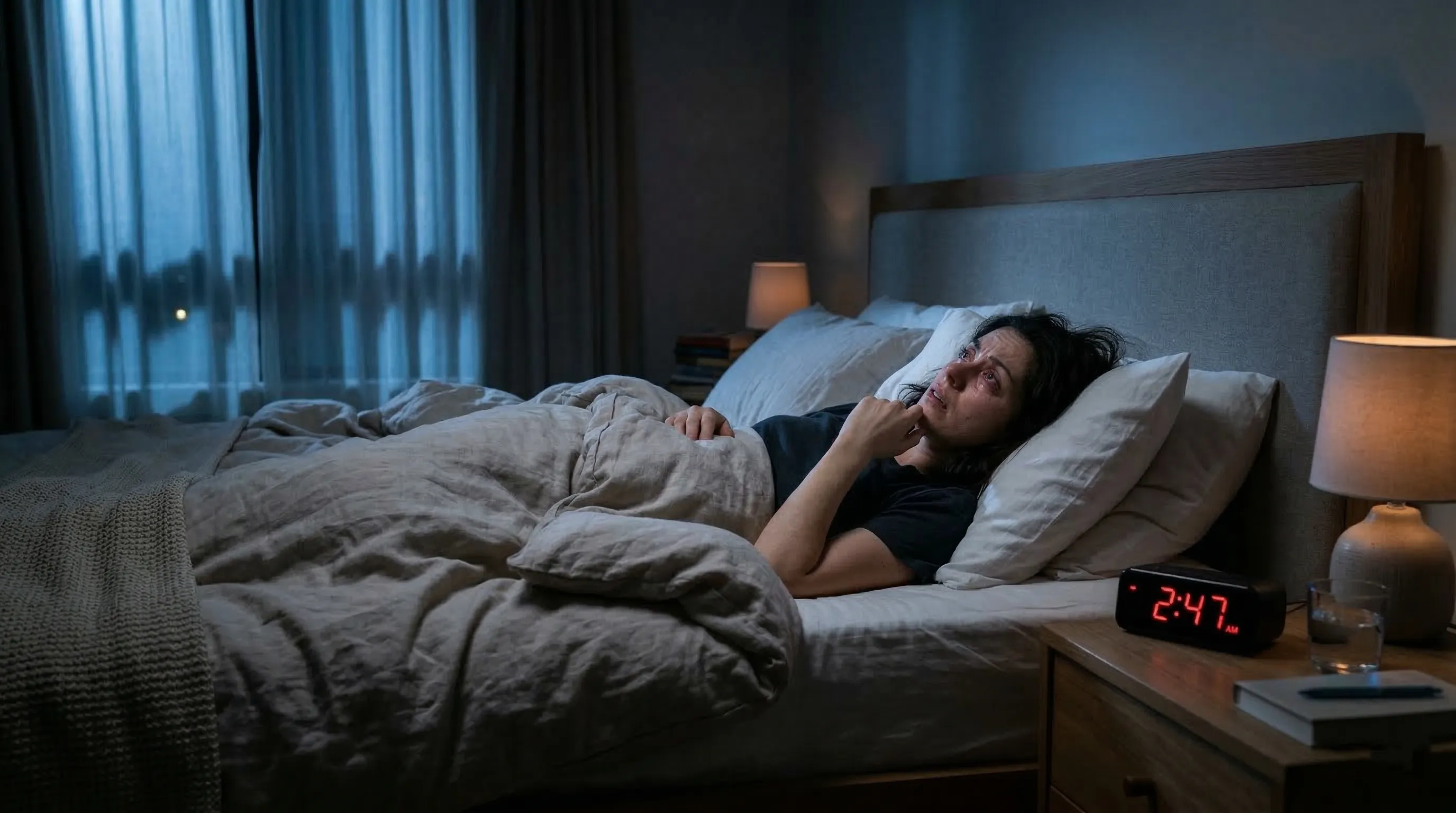
Sleepless nights are one of the most frustrating experiences a person can face. You lie in bed exhausted, your body desperately needs rest, yet your mind refuses to switch off, and sleep will not come. Hours pass. You check the clock. The anxiety of knowing you have to be up in a few hours makes everything worse. Sound familiar?
Understanding what causes sleepless nights is the first and most important step toward solving them. The problem is rarely random. Sleepless nights happen for specific, identifiable reasons, and in most cases, those reasons are addressable without medication or expensive interventions. Stress, poor sleep habits, lifestyle choices, an uncomfortable sleep environment, and an unsupportive mattress are among the most common culprits, and all of them respond to targeted changes.
In this complete guide, we break down every major cause of sleepless nights in detail, explain how they disrupt the sleep process, cover the health consequences of chronic poor sleep, and provide a practical, evidence-based plan for fixing your sleep permanently. Whether your sleepless nights are occasional or have become a nightly pattern, this guide will give you the understanding and tools to change them.
Quick Answer: What Causes Sleepless Nights?
Sleepless nights are most commonly caused by stress and anxiety that keeps the mind in a state of high arousal at bedtime, poor sleep environment factors such as excessive noise, light, or room temperature, caffeine or food consumed too close to bedtime, excessive screen use before bed that suppresses melatonin, an uncomfortable or unsupportive mattress, and irregular sleep schedules that disrupt the circadian rhythm. In most cases, multiple factors contribute simultaneously. Identifying and addressing the primary causes produces meaningful improvement in sleep quality within 2 to 4 weeks.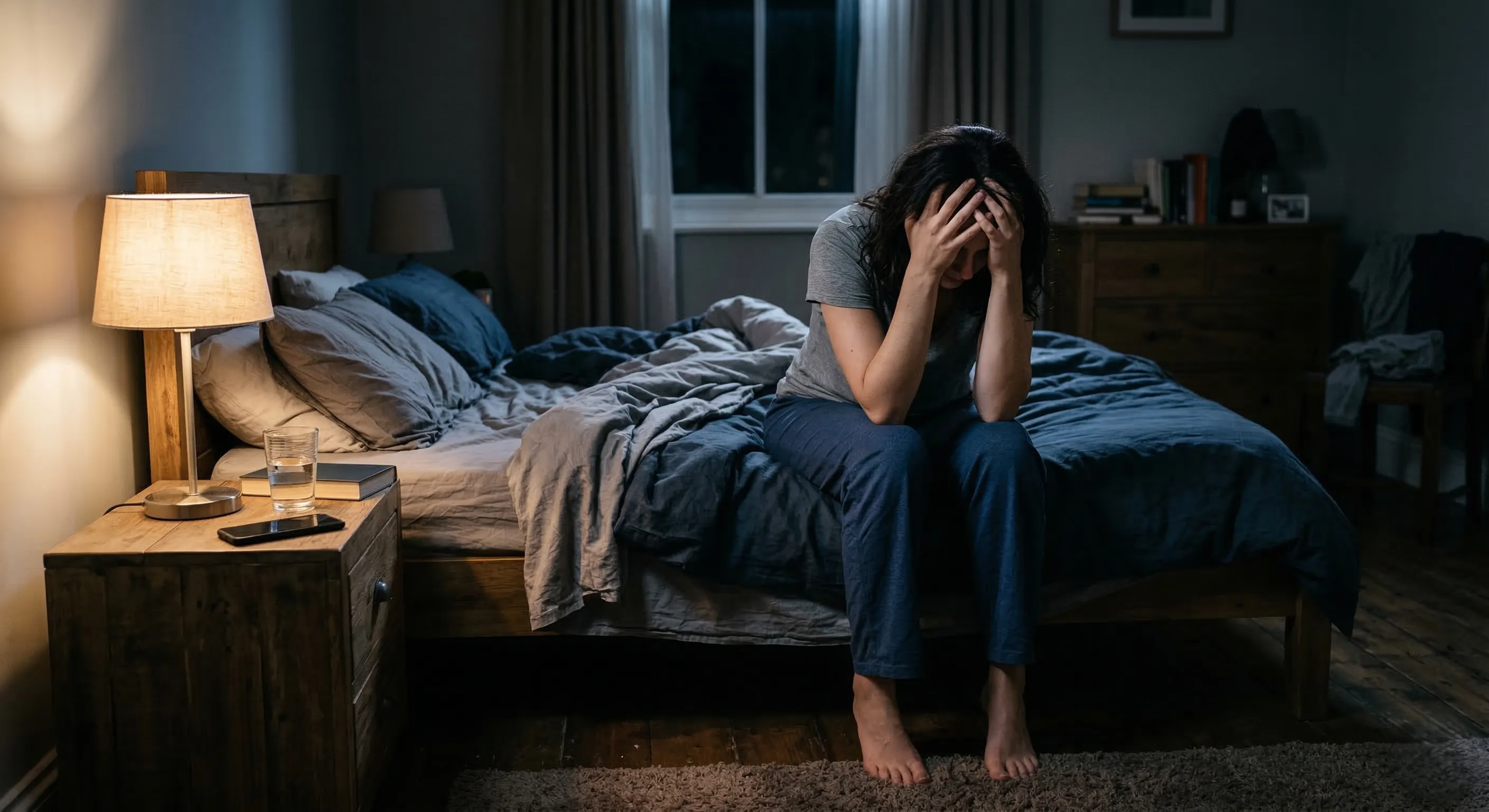
How Sleep Works: Understanding Sleep Cycles
To understand what causes sleepless nights, it helps first to understand what healthy sleep looks like and what the body needs to achieve it.
Sleep Stages: Sleep is not a single uniform state. It is a structured sequence of stages that the brain cycles through repeatedly each night. Stage 1 is light transitional sleep lasting just a few minutes. Stage 2 is characterised by consolidated light sleep, during which body temperature drops and heart rate slows. Stage 3 is deep slow-wave sleep, the most physically restorative stage, where tissue repair, growth hormone release, and immune function are most active. Stage 4 is REM sleep, where dreaming, emotional processing, and memory consolidation occur. A full sleep cycle takes approximately 90 minutes, and a healthy night of sleep contains 4 to 6 complete cycles.
Circadian Rhythm: The circadian rhythm is the body's internal 24-hour biological clock that regulates the timing of sleep and wakefulness. It is driven primarily by light exposure and, in response to darkness, controls the release of melatonin, the hormone that signals the body to prepare for sleep. When the circadian rhythm is functioning correctly and is aligned with a consistent sleep schedule, falling asleep and staying asleep are relatively effortless biological processes. When it is disrupted by irregular schedules, light exposure, or lifestyle factors, the timing of the sleep drive is thrown off, leading to sleepless nights.
Natural Sleep Pressure: Throughout the waking day, a chemical called adenosine accumulates in the brain, creating progressively increasing sleep pressure that makes sleep feel more necessary and easier to initiate as the day progresses. Caffeine works by blocking adenosine receptors, which is why it temporarily eliminates the feeling of tiredness. When adenosine accumulation is disrupted by caffeine, irregular sleep timing, or excessive napping, the natural sleep pressure mechanism that should make falling asleep easy at bedtime is impaired.
Most Common Causes of Sleepless Nights
Sleepless nights rarely have a single cause. In most cases, several factors combine to prevent sleep initiation or maintenance. Understanding each cause allows you to identify which ones are most active in your situation and prioritise the interventions most likely to produce rapid improvement. Here are the six most common causes of sleepless nights explained in full:
1. Stress and Anxiety
Stress is the single most common cause of sleepless nights across all age groups and demographics. When the mind is processing unresolved worry, the stress hormone cortisol remains elevated at bedtime instead of following its normal overnight decline. Elevated cortisol levels keep the sympathetic nervous system in an alert, aroused state that is directly incompatible with the parasympathetic calm required for sleep initiation.
Anxious minds at bedtime are characterised by racing thoughts, problem-solving, and worry loops that prevent the mental deactivation necessary for sleep onset. The harder you try to force sleep, the more alert the anxiety response becomes, creating a reinforcing cycle where the stress of not sleeping adds to the stress already preventing sleep. Cognitive hyperarousal, the technical term for an overactive thinking mind at bedtime, is the most common mechanism behind stress-related sleepless nights and is the primary target of the most effective behavioural sleep treatments.
2. Poor Sleep Environment
The physical environment in which you attempt to sleep has a profound and direct effect on sleep initiation. Three environmental factors are most commonly responsible for sleepless nights. Noise exposure keeps the brain's auditory monitoring systems active even as the rest of the brain attempts to transition toward sleep, making it significantly harder and more fragile to fall asleep in noisy environments. Room temperature above 20 degrees Celsius prevents the core body temperature drop that is a prerequisite for deep sleep initiation. Even 1 to 2 degrees of excess warmth meaningfully delays sleep onset and reduces sleep depth.
Light exposure in the bedroom, from streetlights, LED indicators, phone screens, or early morning sunlight, suppresses melatonin production and sends alerting signals through the circadian system at exactly the time when darkness and melatonin should be promoting sleep onset. A bedroom that is not sufficiently dark, cool, and quiet is a bedroom that is actively working against your ability to fall asleep.
3. Caffeine and Late Night Eating
Caffeine is one of the most widely consumed and most consistently underestimated causes of sleepless nights. With an average half-life of 5 to 6 hours in most adults, caffeine consumed at 3 p.m. still has 50% of its sleep-disrupting activity present at 8 p.m. to 9 pm. Beyond delaying sleep onset, caffeine reduces deep, slow-wave sleep and increases sleep fragmentation, even after the person feels it has worn off.
Late-night eating presents a different but related problem. Large meals within 2 to 3 hours of bedtime elevate body temperature through the thermogenic effect of digestion, competing with the body temperature drop needed for sleep initiation. Spicy or acidic foods increase the risk of acid reflux when lying flat, causing physical discomfort that can prevent sleep. High sugar intake close to bedtime produces blood sugar fluctuations during the night that can trigger cortisol release and cause awakening in the early hours.
4. Excessive Screen Time Before Bed
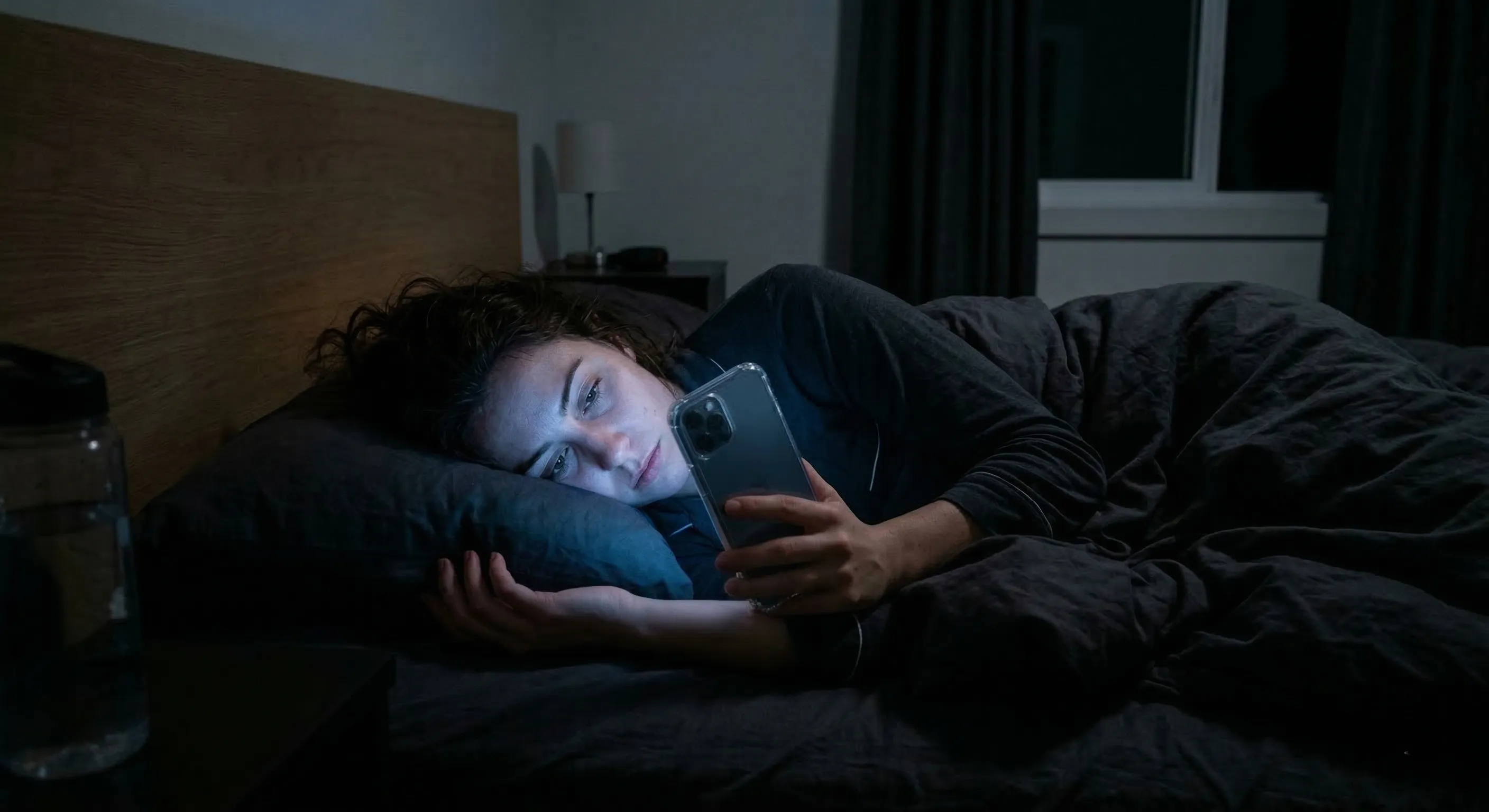
Late-night screen use is one of the most pervasive modern causes of sleepless nights. The blue light emitted by phones, tablets, laptops, and televisions is detected by specialised photoreceptors in the retina, which directly signal the circadian system to suppress melatonin production. These receptors are maximally sensitive to the specific wavelength of light emitted by digital screens, making even moderate screen exposure in the hour before bed significantly more disruptive to melatonin timing than equivalent exposure to warmer artificial light.
Beyond the physiological light effect, the content consumed on screens at night, social media, news, and emotionally engaging entertainment, activates the brain's attention and reward systems at exactly the time when mental deactivation is needed for sleep. The combination of melatonin suppression and cognitive activation from screen content before bed is one of the most reliable formulas for lying awake, unable to fall asleep despite feeling physically tired.
5. Poor Mattress or Sleeping Position
Physical discomfort from an unsupportive or uncomfortable mattress is a direct cause of sleepless nights that many people never identify because they do not connect their sleep problems to the mattress beneath them. A mattress that is too firm creates progressive pressure on the shoulders and hips during side sleeping, making it difficult to remain still and comfortable long enough to fall asleep. A mattress that is too soft allows the spine to sag, leading to misalignment, muscular tension, and lower back discomfort, keeping the body in a state of physical restlessness.
Sleeping position compounds these effects. Stomach sleeping forces the neck into sustained rotation and creates lumbar hyperextension, generating enough discomfort to prevent or fragment sleep, even on an adequate mattress. The right mattress firmness, matched to your sleeping position, eliminates the physical discomfort that prevents your body from settling into the stillness sleep requires.
6. Irregular Sleep Schedule
The circadian rhythm is a biological clock that functions optimally when given consistent timing signals. Going to bed and waking at different times each day, sleeping in significantly on weekends, or taking long afternoon naps all send conflicting timing signals to the circadian system, disrupting the predictable melatonin onset and body temperature changes that make falling asleep at bedtime natural and easy.
Irregular sleep schedules are a primary cause of social jet lag, a state of chronic circadian misalignment that produces the same physiological consequences as regularly travelling across time zones. People with highly irregular sleep schedules often find it genuinely difficult to fall asleep at bedtime because their circadian system has not received sufficient, consistent timing cues to reliably prepare the body for sleep at that time.
Health Effects of Sleepless Nights
Chronic sleepless nights are not merely uncomfortable. They have serious, well-documented health consequences that compound over time and affect every major system in the body:
| Health Area | Consequence of Chronic Sleepless Nights |
|---|---|
| Energy and Fatigue | Persistent daytime fatigue, reduced physical stamina, and reliance on stimulants to function. |
| Cognitive Function | Impaired memory, reduced concentration, slower decision-making and reaction time |
| Immune System | Reduced protective cytokine production, increased infection susceptibility, and slower healing |
| Mood and Mental Health | Increased irritability, anxiety, depression risk, and reduced emotional regulation |
| Cardiovascular Health | Elevated blood pressure, increased inflammation, and higher long-term heart disease risk |
| Metabolic Health | Disrupted hunger hormones promote overeating, increased diabetes and obesity risk |
| Hormonal Balance | Reduced growth hormone release, elevated cortisol, and reproductive hormone disruption |
Even a single sleepless night produces measurable impairment in cognitive performance, mood regulation, and immune function the following day. Research shows that after just one week of poor sleep, inflammatory markers in the blood increase significantly, fasting blood sugar rises toward pre-diabetic levels, and emotional reactivity increases substantially. Chronic sleepless nights produce all these effects simultaneously and persistently, making addressing them a genuine health priority rather than merely a comfort issue.
How to Fix Sleepless Nights
Once you understand what causes sleepless nights, fixing them becomes a matter of systematically addressing each contributing factor. Here is a complete evidence-based plan:
Establish a Consistent Sleep Schedule: Choose a fixed bedtime and wake time and maintain them every day, including weekends. This single change is the most powerful intervention available for regulating circadian rhythms. Within 1 to 2 weeks of consistent timing, most people notice a significantly easier time falling asleep as the circadian system reliably prepares the body for sleep at the correct time. Limit the variation in sleep timing between weekdays and weekends to no more than 30 minutes.
Create a Pre-Sleep Wind-Down Routine: Begin a consistent relaxation routine 60 to 90 minutes before bed. Stop all screen use. Engage in genuinely calming activities such as light reading, journaling, gentle yoga, or a warm shower. The warm shower is particularly effective because it raises skin temperature, then triggers a rapid drop that reinforces the natural body temperature decline that initiates sleep. Performed consistently, even a simple 30-minute routine becomes a powerful conditioned sleep-onset cue.
Limit Caffeine and Optimise Evening Eating: Set a strict caffeine cutoff of 1 pm to 2 pm daily. Avoid large meals within 2 to 3 hours of bedtime. If hungry before bed, choose a small, low-glycaemic snack such as a small handful of nuts or a banana, which provides tryptophan and magnesium that support melatonin production rather than disrupting it.
Optimise Your Sleep Environment: Cool the bedroom to between 17 and 20 degrees Celsius. Use blackout curtains or a sleep mask to eliminate all light. Use earplugs, white noise, or a fan to neutralise noise that prevents sleep onset. Make the bedroom exclusively for sleep and rest by removing work materials, televisions, and other wakefulness-inducing items from the space.
Address Stress Directly: If stress and anxiety are primary causes of your sleepless nights, targeted interventions produce significantly better results than general sleep hygiene alone. Cognitive behavioural therapy for insomnia (CBT-I) is the most evidence-supported treatment for stress and anxiety-driven sleep problems. Regular physical exercise, mindfulness meditation, and daily journaling of worries, along with scheduled problem-solving, all reduce the cognitive hyperarousal that causes stress-related sleepless nights.
Best Sleep Habits for Better Sleep
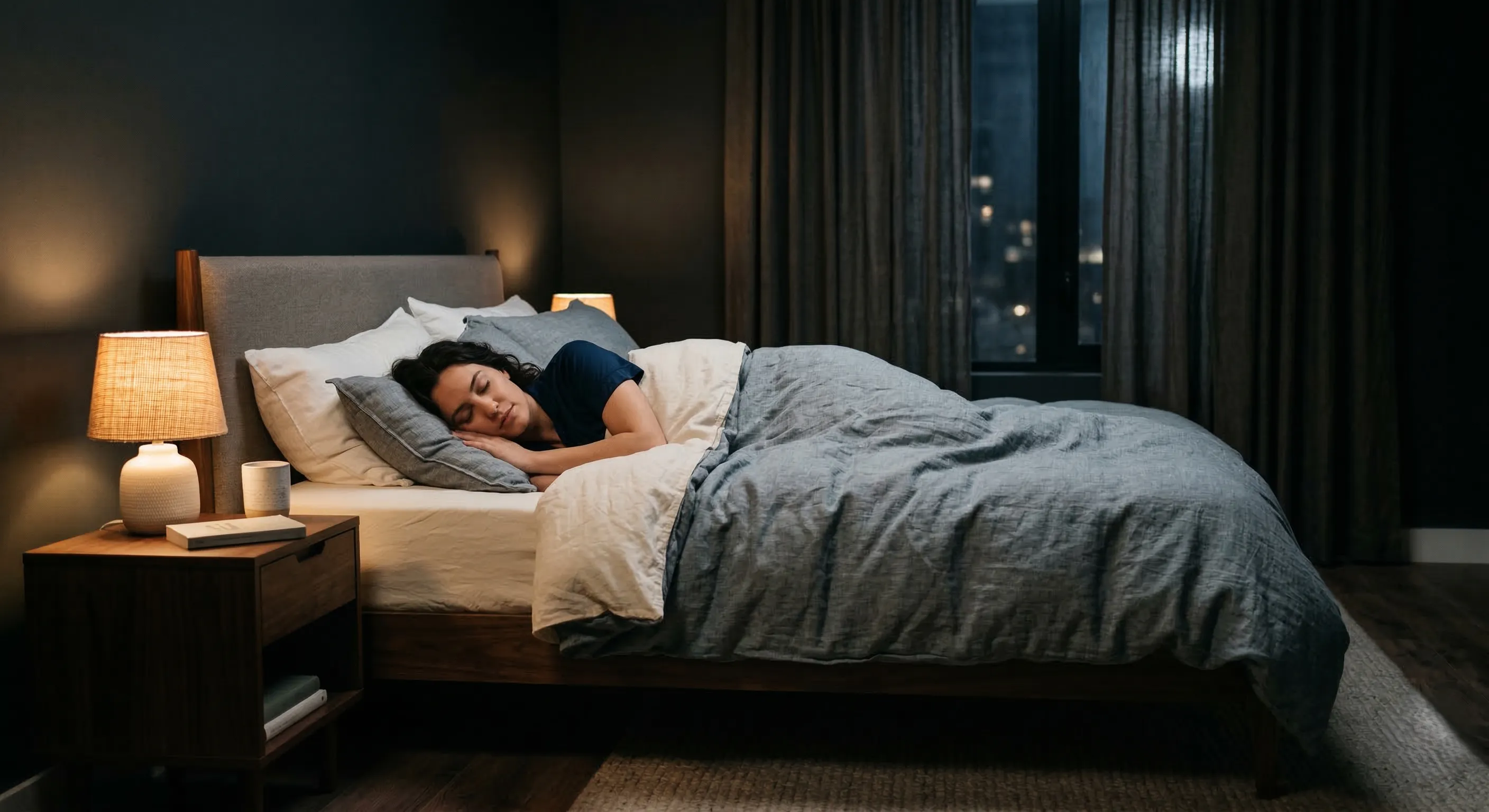
- Regular Bedtime: The same bedtime every night anchors your circadian rhythm, making sleep onset progressively easier and more natural over time. Consistency matters more than the specific time chosen.
- Physical Activity: Regular aerobic exercise during the day is one of the most reliably effective non-pharmacological interventions for improving both sleep onset and sleep depth. Even 30 minutes of moderate activity, such as walking, cycling, or swimming, produces measurable improvements in sleep quality. Avoid vigorous exercise within 2 to 3 hours of bedtime.
- Meditation and Breathing Exercises: Diaphragmatic breathing techniques, such as 4-7-8 breathing (inhale for 4 counts, hold for 7, exhale for 8), activate the parasympathetic nervous system and reduce cortisol-driven arousal that causes stress-related sleepless nights. Even 5 minutes of slow, deliberate breathing before bed produces a measurable reduction in pre-sleep anxiety and heart rate.
- Natural Light Exposure in the Morning: Getting natural sunlight within 30 to 60 minutes of waking is one of the most powerful circadian anchors available. Morning light exposure suppresses the final melatonin of the previous night's cycle and sets the circadian clock forward, making the correct melatonin onset that evening more reliable and timely.
How Your Mattress Affects Sleep Quality
An often-overlooked factor in sleepless nights is the mattress itself. If you have addressed all lifestyle and environmental factors and still struggle to fall asleep or stay comfortable in bed, your mattress is likely the remaining cause.
Mattress Comfort and Sleep Onset: Physical comfort is a prerequisite for sleep onset. Learn how to choose the best mattress for sleep quality. A mattress that creates noticeable pressure on the shoulders, hips, or lower back keeps the body in a state of low-level physical restlessness, preventing the stillness required for sleep initiation. The body cannot fully relax and transition toward sleep when it is aware of physical discomfort. The right mattress allows the body to settle into a position of zero noticeable pressure and remain there undisturbed.
Spinal Alignment and Muscular Tension: A mattress that does not maintain the spine in its natural neutral alignment during sleep creates sustained muscular tension in the back, neck, and hip muscles, preventing full physical relaxation. This tension is often subtle enough that the person does not consciously recognise it as pain, yet significant enough to prevent the deep physical relaxation sleep requires.
Pressure Relief: Adequate pressure relief in the mattress comfort layers reduces discomfort at contact points that force position changes. Frequent position changes fragment sleep and prevent the extended stillness in which the deepest, most restorative sleep stages occur. A pressure-relieving mattress that is properly matched to your sleeping position and body weight is one of the most impactful physical interventions for sleepless nights due to physical discomfort.
Read our Mattress Firmness Guide: How to Choose the Perfect Firmness Level for complete firmness selection guidance, and our Best Sleeping Position for Back Pain for position-specific recommendations.
When Sleepless Nights Become Insomnia
Occasional sleepless nights are a normal part of life. Insomnia is a clinical condition characterised by persistent difficulty falling asleep or staying asleep, occurring at least 3 nights per week for 3 or more months, and producing meaningful daytime impairment, such as fatigue, cognitive difficulties, or mood disruption.
See a doctor if your sleepless nights have occurred 3 or more times per week for over 3 months despite lifestyle improvements, if daytime fatigue is severe enough to impair work performance or driving safety, if your sleep problems are accompanied by loud snoring or breathing pauses during sleep, if persistent anxiety or depression accompanies the sleep difficulties, or if you have developed a significant fear and dread of bedtime because of anticipated sleeplessness. These situations benefit from professional assessment and targeted treatment, including CBT-I therapy, which research shows is more effective than sleep medication for long-term insomnia resolution.
Conclusion
Understanding what causes sleepless nights transforms an apparently mysterious and uncontrollable problem into a set of specific, addressable factors. Stress and cognitive hyperarousal, poor sleep environment, caffeine and late-night eating, excessive screen use, an uncomfortable mattress, and irregular sleep scheduling are the primary causes, and all of them respond to deliberate, consistent change.
Begin with the causes that most closely match your personal sleep pattern. Implement changes consistently for at least 2 to 4 weeks before assessing results. Combine a consistent sleep schedule with an optimised sleep environment, reduced caffeine intake, a pre-sleep wind-down routine, and a mattress that supports your body correctly. This comprehensive approach addresses the full range of causes simultaneously. It produces reliable, restorative sleep that transforms not just your nights but also the quality of every waking hour that follows.